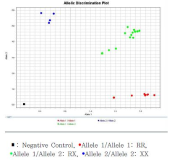
The ACTN3 R577X polymorphism has been associated with an elite athletes status. Several studies have determined that the R allele is connected with power-oriented athletic performance, whereas the nonfunctional XX genotype may give some beneficial effect for endurance performance. The main aim of the study was to determine the possible interaction between the ACTN3 R577X polymorphism and an power-oriented athlete status in Korean elite athletes(wrestling 31, judo 13, boxing 16, fencing 6, cycle 16, ≤400m athlete 18). Each athletes performed a 30-second WAPtest with a resistance equal to 7.5% for male and 5% for female body weight. Genotyping for the ACTN3 R577X (rs1815739) polymorphism was performed using the TaqMan approach. The ACTN3 R577X genotypes exhibited a HardyWeinberg equilibrium distribution in our population. The relative and absolute average power results of the 30-second Wingate test did not differ significantly among the genotypes. However, the relative peak power result of the Wingate test was significantly higher in the R-allele- dominant model groups than in the XX group in male but not female athletes. These results suggest that the ACTN3 R allele is associated with the relative peak power during the Wingate test in male Korean elite athletes.
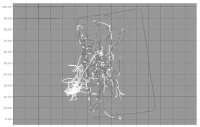
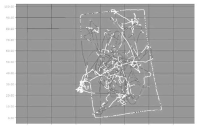
The purpose of this study was performance improvement through analysis of movement in elite field hockey players regarding positions using real-time GPS monitoring for compared training game and 2014 Incheon Asian Games. Fifteen elite women field hockey players (Defender: 4, Mid-fielder: 6, and Forward: 5) participated in this study. There were 2014 Incheon Asian Games Korean national team. Real-time GPS system analysis was completed during 10 training game appearances 5 2014 Incheon Asian Games appearances. The results of this study showed that in training game mid-fielder>forward>defender for 3, 4, 5, and 6 zone at speed zone by moving distance, in 2014 Incheon Asian Games forward>mid-fielder>defender for 6 zone at speed zone by moving distance. And moving distance by quarter increased all position in 2014 Incheon Asian Game more than training game. Therefore, These data might be useful to analysis of movement in field hockey players. Moreover improved performance and individual exercise ability by feedback for players distance, heart rate, and exercise trajectory. Thus, Gold-medal won at the 2014 Incheon Asian Games in field hockey.