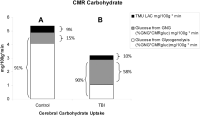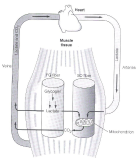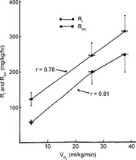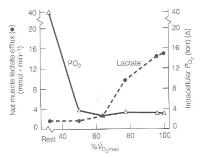
Lactate was considered a dead-end waste product of glycolysis due to lack of oxygen. Accumulating lactate in the muscle and blood was viewed only as a major cause of muscle fatigue and tissue damage. Furthermore, buildup of lactate due to glycogen re-synthesis is thought to cause excess oxygen consumption (oxygen debt) after exercise. However, research has also shown lactate to be an important mediator in numerous metabolic processes and a fuel for aerobic metabolism. Lactate is not metabolic waste, but a major player in cellular and whole body metabolism. Lactate can be used within the cell (intracellular lactate shuttle) or be transported through the cytoplasm or blood to be used by other cells (cell-cell lactate shuttle). Lactate shuttle hypothesis has helped in identifying and understanding the link between the glyoclyic and oxidative pathways, and identified lactate as a major energy source and gluconeogenic precursor. Therefore, the purpose of this review was to better understand the physiological roles of lactate at rest and during exercise, and the concept of lactate shuttle with implications for clinical practice.