[Purpose] The purpose of this study was to predict winning percentage in the Korean Basketball League(KBL) by applying the possession concept. [Methods] The model to estimate possession was utilized by formula used in NBA(National Basketball Association). Data consist of 20 seasons of the KBL (1997-2017). For data analysis, multiple regression analysis, Fisher’s Z transformation and stepwise multiple regression analysis were performed using SPSS 22.0. [Results] The result indicated that average team stats per possession had more explanatory power in predicting the KBL teams’ winning percentage than average team stats per game. The most important factor for winning in the KBL was defensive rebounds and followed by 2-point field goal percentage, steals, 3-point field goal percentage, free throw attempts, turnovers, offensive rebounds, blocked shots, free throw percentage, and assists. The results of this study provided fundamental information for the data analysis of Korean basketball games. It might be useful for basketball coaches to manage and instruct their teams. [Conclusion] Practical implications and future research direction were also suggested.

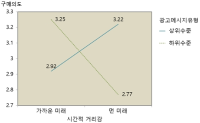
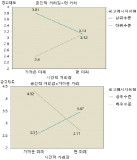
Purpose The purpose of this study was to examine the effects of temporal and spatial distance and types of advertising messages on sport consumer’s attitudes toward and advertising and purchase intentions, based on the construal level theory. Methods Toward this end, 253 usable data were conducted using frequency analysis, exploratory factor analysis, reliability analysis, correlation analysis, MANOVA, and ANOVA with SPSS 24.0. Results and Conclusion The study obtained the conclusion that when using different types of messages, the consumer’s attitudes and purchase intentions are influenced by temporal distance, by spatial distance, and by the interaction between both factors.