
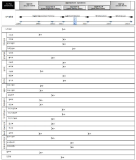
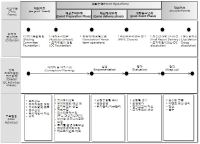
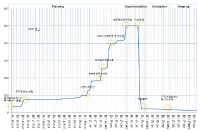
The purpose of the study was to define the chronical aspect of the sport event and suggest timeline concepts include the work scope of the sport event organization. For accomplish the research goal, literature review on time frame of sport event and the in-depth interview(n=23) was fulfilled. The results of this study were as follows; 1) the time based concept and the perception of the point of phase transition is different in each functional area, 2) the sport event time-frame could be categorized in ex ante Event stage, Event operation stage and ex post Event stage as general and the Event operation stage was departmentalized in preparation phase, Game delivery phase and closure phase. As a result, this study suggested the transition criterion in each phase. Limitations and future directions for real time sport event organization were discussed.
The purpose of the study was to investigate the meteorological and environmental information which should be provided for a winter sport event from the users' point of view, and to provide the fundamental data for the construction of the meteorological information to be specified in a sport event. For this study, some case studies were conducted at the center of Winter Olympic Games. Essential meteorological elements which should be fundamentally provided for a sport event were analyzed. Also, in-depth interviews with athletes, coaches were held to explore the meteorological elements needed from the users' point of view. On the basis of the results analyzed from the study, considerable meterological and environmental elements for supporting 2018 Pyeongchang Winter Olympic Games were suggested through the discussions with meteorological and sport event experts. As results of the study, essential requirements regarding the meterological and environmental information were extracted. Based on the essential requirements, a method of constructing the information in support of meteorology for Pyeongchang Winter Olympic Games was presented.
