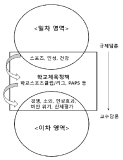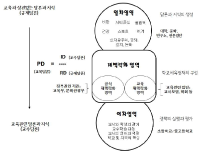
Drawing on Bernstein theory (1990, 1996) of pedagogic discourse, this study is aimed at exploring the construction of pedagogical meaning in physical education policy in Korea and providing critical implications for the development of policies for physical education and school sport. Both open-ended questionnaires (n=22) and in-depth interviews (n=9) were conducted. The collected data was commissioned by an inductive data analysis to look at patterns of regulative discourses embedded with physical education policy influencing on teachers’ educational practice. This study identified three main discourses constructing and constituting policies; sport, moral, and health. Sport discourse was the most dominant through the policy, in which two sub-discourses were central: ‘competition’ and ‘exclusion.’ Moral discourse had a strong connection with ‘crime reduction’ and ‘academic achievement.’ The structure of health discourse alleged increase in youth physical inactivity associated with sedentary living leads to an obesity epidemic. This study argued that there were significant dangers which dominant regulative discourses created a limited universe of possibilities for physical education. Therefore, we must not lose sight of the powerful discourses produced in the primary field, which have an impact on shaping forms of policy and practice in physical education. Furthermore, we need to examine in detail forms of physical education practice in order to achieve alignment in the school practice with current dominant discourses.