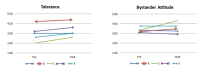
Purpose This study was to investigate the systematic application of the life skills program and its effects in a sport setting. Methods Participants were 14 college students(8 males and 6 females) majoring in Taekwondo. Survey tools were utilized to measure items of life skills and journals. Data analyses were conducted by using Excel program and inductive content analysis. Results First, life skills in this study consisted of goal setting, self-talk, imagery, cognitive restructuring. Life skills program has undergone a procedure, such as the introduction, training, development, application, and evaluation. Second, the average scores of life skill variables have been changed according to measured points. Specifically, the average scores of goal setting and self-talk were highly increased over time and the average score of imagery indicated gradual rising line. The average score of negative thought was slightly reduced over time. Third, regarding effects of this program, participants’ responses were categorized into six components; performance enhancement, positive thoughts, chances of change, goal setting, struggling efforts, and motivation formation. Further, participants stated this program was a great opportunity to develop these components. Conclusion The application of life skills program in sport settings will contribute to participants’ life span developmental change in cognitions, emotions, and behavior.

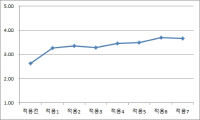


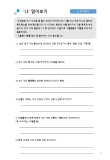
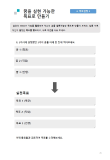
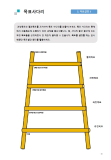
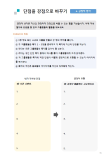
Purpose The purpose of this study was to verify their effectiveness as we develop and apply worksheets for improving life skills and resilience of collegiate Taekwondo athletes. Methods The study went through three stages: developing, applying, and evaluating. In the developing stage, literature review, expert meeting, and pilot test (n=25) were conducted to develop the worksheets. In the applying stage, 37 athletes participated in life skills program using the worksheets. Data were collected by survey and in-depth interview. In the evaluating stage, paired t-test, word cloud analysis, and inductive content analysis used to identify the effect of worksheets. Results First, the worksheets were composed of 3 stages (plan, acquisition, implementation) and 15 sessions including 12 factors of life skills. Second, the worksheets were applied in each phases such as planning, acquiring, and implementing. In the planning phase, they understood life skills knowledge and set goals. In the acquisition phase, students learned specific life skills’ strategies. In the practice phase, the acquired life skills were applied and practiced in real life and relationships. Third, the result of paired t-test showed that all the factors of life skills and 6 factors of resilience were significantly improved. In addition, word cloud and in-depth interviews revealed that the participants' cognitive and psychological changes were most prominent. Conclusions The life skills worksheets consists of 12 factors in 15 sessions and can be considered as an effective intervention tool for improving the resilience and life skills of collegiate Taekwondo athletes.
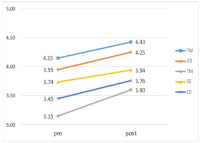
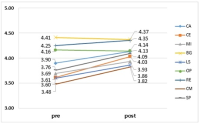


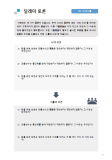
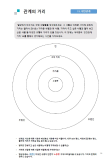
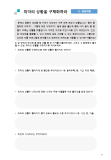
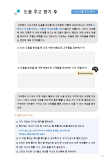

Purpose The purpose of this study was to apply the Self-Assertiveness Training based on Solution-Focused to student-athletes caused by violence in sports. Methods Participants were five Taekwondo athletes in this study. They were consisted of offenders, a accuser, and a victim. The head coach of the team asked for counseling to resolve the conflict. Data was collected with quantitative, qualitative data, and group dynamics. The group counseling program was conducted for 90 minutes a week for eight weeks. Results The results are as follows. First, (application process) the 8-week Self-Assertiveness Training based on Solution-Focused was assessed to be applied step by step and systematically. Second, (qualitative evaluation) as a result of analyzing the observation journal and the interview data, the participants experienced the change of attitude and thought of group members in a short period of time by focusing on enhancing self-assertiveness. Third, (quantitative evaluation) self-assertiveness and attitude of school violence measured by questionnaires were higher in post-survey than pre-survey. In addition, participants' satisfaction with the program was found to be very positive. Discussions and Suggestions Self-Assertiveness Training based on Solution-Focused was found to have a significant effect on conflict resolution among the student-athletes who have experienced violence in sport. This programs was expected to increase the value of use in the sport field. Based on this case study, We suggested for future research.