PURPOSE This study examined the biomechanical differences in running shoes with two midsole materials, ethylene-vinyl acetate (EVA) and polyether block amide (PEBA), and carbon fiber plate insertion. METHODS Ten recreational runners participated in the study and performed running trials on a 12m runway at a controlled speed of 3.89 m/s ± 5%. Biomechanical data were obtained for time-continuous variables of the metatarsophalangeal (MTP) joint (angle, moment, and power), as well as for discrete variables (push-off time, peak vertical impact force, peak anterior propulsion force, and timing of joint power transition). Data were analyzed using statistical parametric mapping for continuous data and the Wilcoxon signed-rank test for discrete variables (α = .05). RESULTS Compared with no-plate conditions, the EVA sole with plate significantly reduced push-off time, MTP joint range of motion, positive joint power, and peak anterior propulsion force, with an earlier timing of joint power transition (p < .05). In contrast, the PEBA sole with plate decreased MTP joint range of motion but increased plantar flexion moment, negative joint power, and push-off time (p < .05). Furthermore, under plate-inserted conditions, PEBA significantly increased plantar flexion moment, negative joint power, and push-off time, as well as exhibited a delayed timing of joint power transition compared with EVA (p < .05). CONCLUSIONS The interaction between midsole material and plate insertion causes complex variations in MTP joint energy management. Specifically, EVA shoes with a plate may facilitate rapid roll-off and promote swift turnover, thereby enhancing acceleration. In contrast, PEBA shoes with a plate may promote prolonged energy absorption, which could potentially reduce joint fatigue during long-distance running.

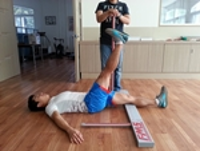
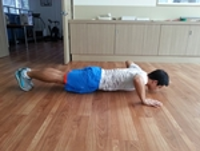
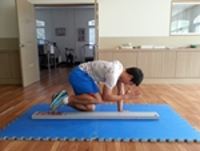
The purpose of this study was to examine the effect of the functional movement improvement training program on the score of high-school baseball players’ functional movement screen (FMSTM) test. After 16-weeks treatment period, a significant increase of Deep Squat, Hurdle Step, In-Line Lunge, Shoulder Mobility, Active Straight Leg Raise, Rotary Stability, and total score was found only in treatment group. There was decrease on the number of players in treatment group whose total score is less than 14; the criteria vulnerable being injured. The results of this study suggested that applying functional movement improvement training program on high-school baseball players can be effective to prevent injuries.