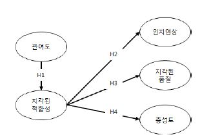
Although mega sporting events are becoming an effective means of brand communication, there has not been systematic research on involvement development and perceived fit enhancement through the sporting events. This study developed and tested a conceptual model delineating the impact of consumer involvement on perceive fit, and brand equity in mega sporting event context. Using quota sampling method, 1,847 participants (916 from IAAF; 931 from the F1) were recruited from several different cities in Korea during the mega-sporting events. Structural equation modeling were employed to examine the relationship between research constructs and test the model respectively. The study found that mega event involvement has a positive effect on perceived fit; and perceived fit influences brand equity(brand awareness, perceived quality and loyalty) toward event sponsor brands. The direct effects of involvement on sponsorship effectiveness (brand awareness, perceived quality and loyalty) did not have a significant effect on brand equity. The findings also reveal the mediating effect of perceived fit on brand equity.
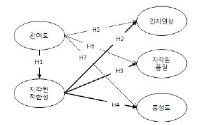
PURPOSE This study developed and tested a theoretical research model delineating the relationships between sports consumers’ team identity and their response to regional identity, sense of community, and community contributions. METHODS To achieve the purpose of this study, a total of 1,196 spectators who attended professional baseball games were surveyed. For the data analysis, confirmatory factor analysis, convergent validity, discriminate validity, and composite reliability were performed to confirm the validity and reliability of the scale through AMOS 24.0. Research model and hypothesis testing were conducted using structural equation modeling, which used data from ten different professional baseball team area contexts. RESULTS The results provide empirical evidence of the positive influence of sports consumers’ regional identity and sense of community on team identity toward community contributions in sporting event area contexts. CONCLUSIONS This study confirmed the role of regional identity and sense of community in building professional sports team identities and community contributions.
