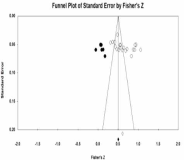
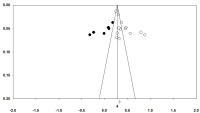
[Purpose] The purpose of this study is to analyze the effect size of the relationship between team identification and their intention to attend sport events and intention to purchase licensed team merchandise using a Meta-analysis. [Methods] To accomplish the purpose of the study, multiple databases were visited (e.g., RISS, KISS, Library of National Assembly) and studies were collected using the keyword of team identification. Through the search process, total of 92 studies were identified, among which 20 studies provided Pearson correlation coefficients between team identification and intention to attend and 13 studies between team identification and intention to purchase licensed team merchandise. The 33 studies were analyzed using Comprehensive a Meta Analysis(CMA) program. The analyses were done using random effect model assuming there were significant heterogeneity among the studies included. [Results] The overall effect size between team identification and intention to attend sport games was .567 and .403 for between team identification and intention to purchase licensed team merchandise, which can be classified as large effect size(Cohen, 2013). Sub-group analyses were done using types of publication(journal article vs. thesis). The results of the sub-group analyses indicated that the effect size differences were statistically insignificant. [Conclusions] As indicated in many previous studies, team identification was found to be a significant predictor of sport consumers’ behaviors. However, future studies need to find the reasons of heterogeneity in effect sizes.

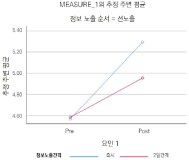
Purpose The purpose of the study was to examine the effect of exposure sequence and time gap between two exposures in image transfer in the context of sport sponsorship. Methods To accomplish the purpose of the study, one preliminary study and one main study were performed. The sample was drawn using a convenience sampling (33 for preliminary study and 120 for the main study). The data were analyzed using one sample t-test, repeated measure ANOVA(mixed design). Results The data for the main study indicated that the mean of the post-test was statistically higher than that of pre-test, which indicated that the image of the sporting event was transferred to the image of the brand Dell. This indicated that the image transfer actually took place although image similarity between sporting events and sponsoring brand was not conditioned. The hypotheses of the study were tested using a mixed design with exposure sequence and time gap between exposures as two between subject factors. The results indicated that the interaction was statistically significant. When two sponsorship information were given consecutively, the first sport event’s image was transferred more than the image of the secondly presented sport event, which indicated primacy effect. However, when the two sponsorship information was given with two days time gap, the image of the second sport event was transferred more than the first sport event’s image, which indicated a recency effect. Conclusions Two meaningful findins were delivered through the current study. First, even when there was no image similarity between sport event and brand, image transfer took place through sponsorship arrangement. Second, if primacy and recency effects are properly incorporated, image transfer can be achieved in a more effective way in sponsorship context.


Purpose The purpose of this study was to analyze the research topics of the articles which were published through European Sport Management Quarterly(ESMQ) from 2009 to 2018. The prior topic analysis studies of the ESMQ classified topics based on the key words using NASPE-NASSM SMPS categories. Therefore they couldn't fully reflect the content of the articles. Methods The topic modeling of the current study was conducted with the Latent Dirichlet Allocation(LDA) which generates topics based on the word usage in the article. A total of 265 articles were converted from 'pdf' format to 'txt' ANSI format for topic modeling analysis. The whole topic modeling process was done using R program and the model was set to generate 10 topics from the article. Results The 3 sport management experts were hired to label the name of the topics and the name of the topics are as follow : (1) Impact of mega sport event, (2) Cause-related marketing, (3) Factors affecting the results of the competition, (4) Managing sport organization, (5) European sport leagues, (6) Strategic management, (7) Sport economics, (8) Sport in communities, (9) Sport consumers, (10) Elite sports. It is not quite possible to compare the results of the current topic modeling results with the previous ones because of the methodological differences. However, even though the standards are different, Sport marketing topic showed the largest growth among the 10 topics extracted. Conclusions This study used the LDA probabilistic algorithm to analyze research topics, which made the analyses more objective and wholistic. However, the insights of the researchers were still needed to interpret and labeling the topics.
