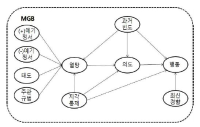
The current study aimed to examine behavioral intentions of online sports products consumers using the Extended Goal-directed Behavior Model. The questionnaires were distributed to consumers who had experience of purchasing sports products online. Data collected from 282 respondents were analyzed mainly using structural equation modeling. The results were as follows: First, attitude and subjective norm had a positive effect on desire. Second, perceived behavior control did not affect desire but had a positive effect on behavior intention. Third, positive anticipated emotions had a positive effect on desire and negative anticipated emotions had a negative effect on desire. Fourth, prior knowledge did not affect desire and behavior intention. Fifth, frequency of past purchase behavior did not affect desire, but had a positive effect on behavior intention. Lastly, desire had a positive effect on behavior intention.


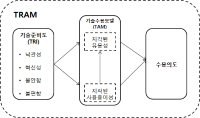
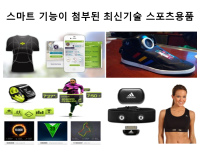
The current study was aimed to examine acceptance intention of sports Wearable products using the Technology Readiness and Acceptance Model. Data were drawn from 271 consumers in their 20s and 30s. Data were analyzed through frequency analysis, exploratory factor analysis, confirmatory factor analysis, reliability analysis, correlation analysis, simple regression analysis and multiple regression analysis using SPSS 20.0 and AMOS 20.0 program. The results were as follows: First, optimism had a positive effect on perceived usefulness but innovativeness, discomfort and insecurity did not affect perceived usefulness. Second, optimism and innovativeness had a positive effect on perceived ease of use and discomfort had a negative effect on perceived ease of use but insecurity did not affect perceived ease of use. Third, perceived ease of use had a positive effect on perceived usefulness. Fourth, perceived usefulness and perceived ease of use had a positive effect on acceptance intention.