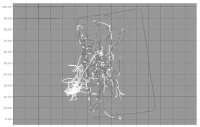
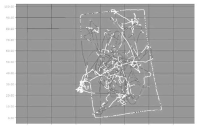
The purpose of this study was performance improvement through analysis of movement in elite field hockey players regarding positions using real-time GPS monitoring for compared training game and 2014 Incheon Asian Games. Fifteen elite women field hockey players (Defender: 4, Mid-fielder: 6, and Forward: 5) participated in this study. There were 2014 Incheon Asian Games Korean national team. Real-time GPS system analysis was completed during 10 training game appearances 5 2014 Incheon Asian Games appearances. The results of this study showed that in training game mid-fielder>forward>defender for 3, 4, 5, and 6 zone at speed zone by moving distance, in 2014 Incheon Asian Games forward>mid-fielder>defender for 6 zone at speed zone by moving distance. And moving distance by quarter increased all position in 2014 Incheon Asian Game more than training game. Therefore, These data might be useful to analysis of movement in field hockey players. Moreover improved performance and individual exercise ability by feedback for players distance, heart rate, and exercise trajectory. Thus, Gold-medal won at the 2014 Incheon Asian Games in field hockey.
The purpose of this study is to investigate the further direction of molecular biological studies, the advantages and limitations of assaying samples, and variables in figuring out the details of domestic and overseas studies verified through cell and molecular biological analysis in order to analyze the effect of concurrent training. The analysis study was limited to domestic and overseas literature, which investigated the effect of combined training using molecular biological analysis among studies to date. The study was reclassified by specialty, composed of professors of physical education and doctors of exercise physiology. The final selected study analyzed the subject and the trend of studies in terms of comprehensive perspectives. In detail, it analyzed hormonal and enzymatic changes in criteria such as leptin, 5-HT, ACTH(adrenocorticotropic hormone), cortisol, testosterone, GH(growth hormone), LDH(lactate dehydrogenase), CPK(creatine phosphokinase), antioxidants in blood samples and protein, and enzymatic and morphologic changes in for CRP, VEGF(vascular endothelial growth factor), PAI-1(plasminogen activator inhibitor-1), MAD(malondialdehyde), carnosin, and SDH(succinate dehydrogenase), the area of muscle fibers, ratio of type Ⅰ/Ⅱ muscle fiber and capillary proportion per muscle fiber in the extracted muscle by biopsy, for example. Finally, urine samples, and hormonal changes (like cortisol), were analyzed. The results of the analysis of domestic and overseas studies according to combined training has shown that this training has more varied effects than single training and lower improvement by interference effect or magnifying the effect of one type of training amongst the combined training types appears, rather than higher improvement through combined trainings. Therefore, it should be investigated in view of performance improvements relating to the characteristic of sports.
