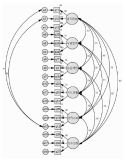
This study was to explore and confirm factors of sport psychology counseling needs in Korean elite coaches. In order to achieve this purpose, 56 elite coaches in Korean Olympic training center at Taereung and Jincheon responded on open-questionnaire and 260 coaches responded on survey. Open-ended questionnaire responses were analyzed by inductive content analysis and collected survey data were analyzed by exploratory factor analysis and confirmatory analysis. The results were as follows: Firstly, sport psychology counseling needs of elite coaches were competition preparation, negative athlete-coach relationship, athlete private problems, performance degradation, pressure on performance result, injury management, team cohesion degradation, motivation, training management, different gender athlete control, athletes drop out, pressure from outside, conflicts with colleagues, neglecting from athletes, feeling of incompetence, emotional control problem, and so on. Secondly, based on these responses, closed-ended questionnaire was developed, surveyed, and analyzed. Exploratory factor analysis illustrated that sports counseling needs of coaches were performance enhancement strategies, unreasonable pressure, negligence on training, coaching stress, competition result stress, conflicts with athletes. Finally, confirmatory factor analysis showed that construct of sport counseling needs illustrated appropriate fit indices values. The results of this study contributed to provide fundamental information on coaching education program and sport psychology counseling program development and application. Consequently, it will help coaches to control their mind at coaching in training and competitions.

Purpose This study was to explore construct of fear and courage behavior overcoming the fear and relationship between fear and courage in competition. Methods Total 65 national athletes of combat sports(Judo, Boxing, Taekwondo, Fencing) responded to open questionnaire about fear and courage behavior in competition. The data was analyzed by triangle verification and content analysis. Results Firstly, the fear of combat sports athletes consisted of five factors, which were negative consequences, lack of preparation for a game, concerns of performing one’s best, expectation of significant others, and internalized ego threat. Secondly, courage behaviors to overcome fear were self-effort, self-suggestion, self-conviction, selfish self-regulation, social self-control, self-analysis, and acceptance of experience. Finally, there were the relationship between fear and courage in competition. Conclusion These results will contribute to provide useful information for combat sport athletes and coaches in different level to cope with competition fear.
