PURPOSE The purpose of this study was to investigate the association of physical activity level with insomnia severity (Normal, Subthreshold, Moderate and Severe) in adolescents and to use it as a basis for insomnia prevention. METHODS This study was conducted on a cohort of 50 adolescents under the age of 20 (19 males, 31 females) recruited from Hospital N in Incheon, Korea. Participants were categorized into groups according to the severity of insomnia in both males and females using the Korean version of the Insomnia Severity Index-Korean (ISI-K). The Korean version of the International Physical Activity Questionnaire was also used to calculate participants’ weekly moderate and vigorous physical activity. RESULTS The participants’ characteristics did not differ by insomnia severity in males, but there were significant differences in weight (p=.008), BMI (p=.019), SBP (p=.004), and DBP (p=.019) in females by insomnia severity. In male adolescents, there was no significant difference in the amount of physical activity by insomnia severity, but there was a trend toward decreased amount of physical activity with increasing severity. Among female adolescents, there were significant differences in the amount of physical activity by insomnia severity: moderate (p<.05), high (p<.05), and moderate-high (p<.05). In the unadjusted model, adolescents who did not meet the recommended amount of physical activity (150 minutes per week) were more likely to have insomnia (OR=4.67, 95% CI=1.34–16.24) than those who met the recommended amount of physical activity. The model after adjusting for covariates (gender and body mass index) also showed an association between the recommended amount of physical activity and insomnia (OR=3.94, 95% CI=1.17–13.28). Negatice correlations was found between insomnia index and moderate-to-vigorous physical activity (r=–.357, p=.013). CONCLUSIONS Adolescents are approximately 4.67 times more likely to suffer from insomnia if they do not meet physical activity recommendations, and there was a negative correlation between the insomnia index and moderate-to-vigorous physical activity, suggesting that physical activity should be increased to reduce the insomnia index.
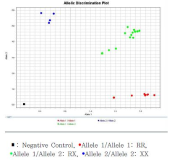
The ACTN3 R577X polymorphism has been associated with an elite athletes status. Several studies have determined that the R allele is connected with power-oriented athletic performance, whereas the nonfunctional XX genotype may give some beneficial effect for endurance performance. The main aim of the study was to determine the possible interaction between the ACTN3 R577X polymorphism and an power-oriented athlete status in Korean elite athletes(wrestling 31, judo 13, boxing 16, fencing 6, cycle 16, ≤400m athlete 18). Each athletes performed a 30-second WAPtest with a resistance equal to 7.5% for male and 5% for female body weight. Genotyping for the ACTN3 R577X (rs1815739) polymorphism was performed using the TaqMan approach. The ACTN3 R577X genotypes exhibited a HardyWeinberg equilibrium distribution in our population. The relative and absolute average power results of the 30-second Wingate test did not differ significantly among the genotypes. However, the relative peak power result of the Wingate test was significantly higher in the R-allele- dominant model groups than in the XX group in male but not female athletes. These results suggest that the ACTN3 R allele is associated with the relative peak power during the Wingate test in male Korean elite athletes.
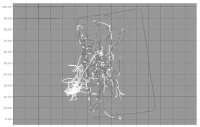
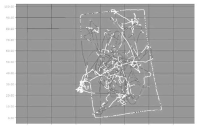
The purpose of this study was performance improvement through analysis of movement in elite field hockey players regarding positions using real-time GPS monitoring for compared training game and 2014 Incheon Asian Games. Fifteen elite women field hockey players (Defender: 4, Mid-fielder: 6, and Forward: 5) participated in this study. There were 2014 Incheon Asian Games Korean national team. Real-time GPS system analysis was completed during 10 training game appearances 5 2014 Incheon Asian Games appearances. The results of this study showed that in training game mid-fielder>forward>defender for 3, 4, 5, and 6 zone at speed zone by moving distance, in 2014 Incheon Asian Games forward>mid-fielder>defender for 6 zone at speed zone by moving distance. And moving distance by quarter increased all position in 2014 Incheon Asian Game more than training game. Therefore, These data might be useful to analysis of movement in field hockey players. Moreover improved performance and individual exercise ability by feedback for players distance, heart rate, and exercise trajectory. Thus, Gold-medal won at the 2014 Incheon Asian Games in field hockey.
PURPOSE Increased body mass index (BMI) increases ankle instability and adversely affects human movement. This study aims to compare and analyze the muscle function and proprioception of the ankle joint based on Body Mass Index (BMI) to determine potential differences. METHODS Twenty-eight healthy male and female college students were categorized into overweight (≥ BMI 23) and normal (< BMI 23) groups. Measurements included BMI, isokinetic strength of dorsiflexion, plantarflexion, eversion, inversion, ankle joint range of motion, and ankle joint proprioception. RESULTS In dorsiflexion, right 30°/sec (p=.035), left 30°/sec (p=.009) and right 120°/sec (p=.011); in plantarflexion, left 30°/sec (p<.001), right 120°/sec (p=.007) and left 120°/sec (p=.006) in ankle inversion, left 30°/sec (p=.001), right 120°/sec (p=.021) and left 120°/sec (p=.007), left 30°/sec (p=.014), 120°/sec (p=.001) in ankle inversion-eversion ratio, right (p=.003) and left (p=.003) in ankle joint range of motion, right (p<.001) and left (p=.022) in total proprioception, and left (p<.001) in left-right proprioception were significantly different between the normal and overweight groups. CONCLUSIONS It was found that the overweight group had lower muscle strength, joint range of motion, and proprioceptive control function of the ankle joint than the normal group according to BMI. Therefore, exercise programs should be provided to strengthen the periarticular muscles involved in ankle movement, such as the tibialis anterior, soleus, and peroneus longus, and to control dynamic proprioception to prevent ankle injuries and function of the ankle joint according to BMI.
