PURPOSE This study explains how the combination of autonomy support (A) and holistic attentional focus (HF) affects golf putting performance among beginners. METHODS A total of 72 novice golfers were randomly assigned to (1) external focus (EF), (2) HF, (3) A–EF, (4) A–HF, (5) A, and (6) control groups, and their putting accuracy and consistency were measured. RESULTS The experimental findings showed that the group that received only A showed better accuracy than the control group in the acquisition stage and that the best accuracy and consistency were observed when A and HF were combined. The A–HF group maintained their accuracy even after the test. CONCLUSIONS Functional performance can be enhanced simply by providing A, and more positive effects can be expected when A interventions are implemented with HF than with EF.
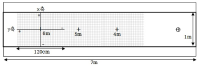
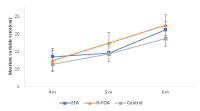
Purpose The purpose of this study is to investigate the effectiveness of the holistic focus of attention(H-FOA), presented as an alternative attention concept, to explore effective attention focus for the skilled performer. Methods KPGA's experts (N = 24) were selected and randomly assigned to external focus, overall focus and control groups. Experiments were conducted in the putting competition of the target distance (4m, 5m and 6m). Performance was measured for accuracy. Results Interestingly, the control group showed the high putting performance accuracy (MRE). In addition, the holistic focus of attention group was able to identify performance similar to the control group. The effect of external attention focus could not be confirmed. Conclusions Results of this study indicate that external focus may be unnecessary for skilled golfers. Rather, holistic focus of attention is highlighted for the improvement of players’ attentional focus under pressure.


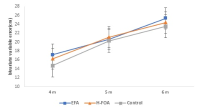
PURPOSE This study examined the effects of focus of attention on beginning golfers’ competitive anxiety and motor performance. METHODS Forty-eight college students with no prior golf putting experience were selected as participants and randomly assigned to internal-focus, external-focus, holistic-focus, and control groups (12 participants each). All subjects performed 5-m golf putting in acquisition, noncompetitive, and competitive situations. RESULTS In competitive situations, the internal-focus, holistic-focus, and control groups showed golf putting accuracy and consistency similar to those in noncompetitive situations, whereas the external-focus group’s golf putting accuracy and consistency were significantly lower in competitive situations than in noncompetitive situations. In addition, the holistic-focus group showed significantly higher golf putting accuracy than the control group in both competitive and noncompetitive situations. CONCLUSIONS Holistic-focus can be used effectively as a strategy for beginners to learn motor skills and reproduce learned motor skills when state anxiety increases. However, external attention focus cannot be considered a strategy to induce effective beginners’ exercise performance when competitive state anxiety increases.
