Purpose This study examines legal and institutional aspects of FA Compensation System (FACS) which was introduced by Korean professional football league in 2013. Methods This legal analysis reviews the current FACS in lights of several provisions of human rights in the Constitution and other relevant rules of law. Results First, the FACS violates Article 15 of the Constitution that protects 'freedom of choice to workplace' arguably implied under the 'freedom of occupation' provision since the system restricts a player's transfer within the league by requiring a transfer fee paid by the destination team even if the player has acquired the free agency status and his current contract is expiring. Second, the FACS would likely be unconstitutional according to precedents decided by the Constitutional Court and the National Human Rights Commission on the ground that 'freedom of occupation' is closely related to the rights to pursue happiness under Article 10 of the Constitution. Conclusions Based on the legal interpretations, the study argues complete abolition or significant revision of the FACS. This project calls for follow-up studies and further policy-making efforts given the practical magnitude and scholarly merits of the issue.
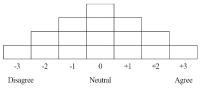
Purpose The purpose of this study is to classify the subjectivity of re-socialization barriers among retired footballers. Methods Q methodology was conducted to identify constraint factors contributing to social adjustment and reemployment perceived by 28 P-samples. Results Re-socialization barriers were classified as ‘Type I: Internal-constraint’, ‘Type II: External-constraint’, ‘Type III: Internal-conflict’, and ‘Type IV: External-conflict’. These types provided a variety of academic and practical discussions, depending on where the barriers are taken from (internal and external) and what depends on them (objective conditions and subjective ideas). Conclusions This study focused on the subjective structure of retired footballers and complemented traditional methodology focusing on hypothesis testing. Therefore, each type found in this study provides useful information not only in follow-up study on retired athletes, but also in policy-making decision such as support projects.

