This study was designed to examine the effects of 12 weeks of resistance exercise training on physique, body composition, insulin resistance, and blood lipid profiles in 20s normal weight obese females. Sixteen females were randomized into one of following two groups: resistance training group (RT group; n=8) and control group (CON group; n=8). Subjects in RT group completed 12 weeks of resistance exercise training for three times/wk, and subjects in CON group were asked to maintain their normal life pattern during the same intervention period. Data were analyzed using two-way repeated measures ANOVA with post hoc test. Main results of the present study were as follows: 1) Body weight, BMI, waist circumference, hip circumference, WHR, and WHtR decreased significantly in RT group. 2) All variables regarding body composition did not change in both groups; however, fat mass was tended to decrease more in RT group than CON group. 3) Fasting plasma glucose decreased significantly in both groups, whereas other variables regarding insulin resistance did not change significantly in both groups. 4) All variables regarding blood lipids did not change significantly in both groups. Results indicate that 12 weeks of resistance exercise training was beneficial in physique and body composition; however, it was not beneficial in insulin resistance and blood lipid profiles in 20s normal weight obese females. Future research including normal weight obese subjects with higher age would be warranted to elucidate more clearly the effects of resistance exercise training on metabolic status.
PURPOSE This study aimed to analyze research trends in physical education within small schools from 1992 to the present, offering insights and directions for future research in this domain. METHODS To achieve this objective, we gathered data from 22 domestic journals utilizing keywords such as “small school,” “combined class,” “farming and fishing village,” “physical education,” and “sports.” Subsequently, the collected data encompassing topics, keywords, methods, subjects, and research areas, were organized using Excel. We employed the Word-Cloud program for the analysis of frequency by period and subject words by period. RESULTS Trends in physical education within small schools were categorized into three primary aspects: subject, method, and research area. Firstly, concerning research topics, the predominant focus centered on the application of teaching and learning as well as the curriculum management, with less emphasis on pre-service and incumbent teachers. Secondly, research methods shifted from quantitative to qualitative approaches starting in the 2000s. However, the utilization of qualitative research methods displayed limited diversity. Lastly, we analyzed the research area by classifying it into the region where the research subject is situated and the region to which the researcher belongs. The Gyeongsang and Gangwon regions constituted the majority in both categories, with over half of the researchers hailing from Gyeongbuk. CONCLUSIONS This study underscores the growing necessity for research into physical activity within small schools, given the increasing proportion of such institutions. It offers valuable insights for future research endeavors in the realm of physical activity within small schools.
PURPOSE This study aimed to a) develop suitable screening tools for identifying gambling severity in Korea and b) explore factors that affect the gambling severity index in order to prevent Korean sports betting users from easily falling into gambling addiction, thus providing practical and useful guidelines in this regard. METHODS This study examined Korean sports fans who had experiences of participating in sports betting (Sports Toto), a legal sports betting system in Korea. Toward this end, an online survey was conducted from May 10 to June 25, 2022. A total of 214 questionnaire results, excluding 23 who gave insincere and/or incomplete answers, were analyzed for normal distribution through skewness and kurtosis, and subscale scores were calculated after performing exploratory factor analysis and reliability analysis using Cronbach’s α. RESULTS A psychological gambling severity index and behavioral gambling severity index were developed based on a stepwise regression analysis, which was conducted using the demographic characteristics of domestic sports betting participants and their lifestyle habits (e.g., smoking and drinking, problem gambling severity index, self-control scale, and gambling expectation scale). CONCLUSIONS First, factors affecting the psychological gambling severity index were identified (having a job, job stability, and security) along with lifestyle habits (smoking and drinking). Second, gender, occupational characteristics, full-time employment, confidence in self-control, and desire for self-improvement were indicated as significant factors that influenced the behavioral gambling severity index.
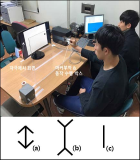
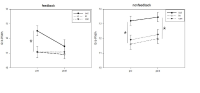
[Purpose] Perception plays an important role in understanding the environment or related objects in order for humans to perform physical movements more effectively. Sometimes they create different movements with different perceptions. Especially, visual perception errors that occur in sports situations can have a considerable effect on performance. Accurate knowledge of the environment in this process of perception is important in performing movements or actions. The purpose of this study was to investigate the effect of learning formation on perception using Muller-Liar illusion diagrams. To measure this, we compared the feedback group that induced knowledge learning and the control group that did not provide knowledge To see if there is a difference. Therefore, in this study, we have provided a visual feedback that can establish the cognitive awareness of the actual stimuli length to subjects, and investigated the changes in their matching action responses. [Methods] A total of 32 young and healthy subjects were randomly divided into two groups (Feedback and Non-Feedback groups). Subjects were asked to match the stimulus size with their index fingers and thumbs. Initially (pre-test), three different visual stimuli (inward, outward, and no arrows) were randomly presented 60 times (20 times each) and the grip sizes were recorded using the Liberty Motion Analysis System (Polhemus Co., America). Then, video clips of two lines merging each other were presented as feedbacks. Post-test protocol was identical to the pre-test protocol. The data were analyzed using the 3-way ANOVA with one RM factor (2 x 3 x 2). [Results] Results showed a significant 2-way interaction effect. Post-hoc results showed significant interaction between stimulus shape and pre/post-tests only in the experimental group. There was a significant decrease in the grip size after feedback in the OUT condition of experimental group. However, in the control group, there was no interaction between stimulus shape and pre/post-tests. [Conclusion] Overall, current results indicates that, while visual illusion can affect the action, the provision of visual feedback can establish the awareness of actual stimulus size and suppress the influence of illusion on action.
PURPOSE This study aims to provide empirical foundational data for the development of a new profit model in Korean professional baseball. It does so by examining the influence of professional baseball NFT product attributes on customer perceptions of value, satisfaction, and purchase intention. METHODS Data were collected from consumers who have experience purchasing KBOLLECT. A total of 363 samples were collected for analysis. Surveys were utilized for data collection, encompassing 39 items that measured product characteristics, perceived value, satisfaction, purchase intention, and demographic information. Using the collected data, various statistical analyses were conducted including descriptive statistics, exploratory factor analysis, reliability analysis, correlation analysis and multiple regression using SPSS version 21. The ensuing results from the correlation analysis and multiple regression analysis are as follows. RESULTS Product features, including aesthetics, symbolism, and scarcity, had a positive impact on consumer’s perceived emotional value. Moreover, product features, encompassing aesthetics, symbolism, scarcity, and creativity played a significant role in enhancing consumer’s perceived economic value. Furthermore, product attributes such as aesthetics, symbolism, and creativity positively contributed to consumer’s perceived social value. Similarly, product features comprising aesthetics, scarcity, creativity, and symbolism positively affected consumer’s perceived intellectual value. Additionally, the research revealed that product features related to aesthetics, symbolism, creativity, and scarcity were instrumental in bolstering consumer. Importantly, these very attributes, including aesthetics, symbolism, scarcity, and creativity, exhibited a positive influence on consumers’ purchase intentions. CONCLUSIONS In conclusion, this study underscores the substantial impact of professional baseball NFT product characteristics on consumers’ perceptions, satisfaction, and purchase intentions. To maintain enduring relationships with consumers who engage with professional baseball NFT products, it is essential to fortify these product attributes and offer diverse services utilizing them.
PURPOSE This study aimed to investigate how a 10-week online live Pilates training held during the COVID-19 pandemic affected body composition, cardiovascular function, and physical fitness in sedentary middle-aged obese women. METHODS Thirty obese women, aged 30 to 49 years (BMI : 25kg/m2 or more; waist circumference: 85cm or more) who were leading a sedentary lifestyle for more than 8 hours a day were assigned to one of two groups—that is, the Pilates training group (TR) and the control group (CON). Four participants were dropped from the study during the intervention period. Participants in the TR group (n=13) performed online live mat Pilates exercises (3 sessions per week; 60 minutes per session for 10 weeks, whereas participants in the CON group (n=13) were asked to maintain their normal lifestyles during the same intervention period. Independent variables related to body composition, cardiovascular function, venous function in the lower body, physical fitness, and 1-RM (repetition maximum) were measured at pre-test and post-test, and data were compared between the two groups and between the two tests. RESULTS 1) Regarding body composition, body weight, body mass index, fat mass, and waist circumference decreased significantly in the TR group. 2) Regarding cardiovascular function, stroke volume and cardiac output increased significantly in the TR group, and total peripheral resistance decreased significantly in the TR group. 3) Regarding venous function in the lower body, blood flow velocity and blood flow volume of the parenchyma area increased significantly in the TR group. 4) Regarding physical fitness, cardiorespiratory endurance, muscular endurance, flexibility, and balance improved significantly in the TR group. 5) 1RM of biceps curl, lat pull-down, leg curl, and leg extension increased significantly in the TR group. CONCLUSIONS It was concluded that the 10-week online live Pilates training had positive effects on the body composition, cardiovascular function, venous function in the lower body, and physical fitness of middle-aged obese women leading sedentary lifestyles.
Purpose This study is to investigate the human rights violations of Semi-professional team athletes. Methods The subjects of the survey were 4,069 people in total of 56 sports athletes from teams. than, 1,251 athletes who agreed to provide personal information (635 males and 616 females) were sampled. The survey tool consisted of a total of 76 questions asking about violence, sexual violence, and general characteristics of semi-professional athletes. Results were frequency analysis, cross-analysis, and multiple response analysis. Results Despite being an adult athlete in the semi-professional Team's Workplace Sports Team, life controls were severe in the sports team and human rights violations, such as verbal and physical violence, were widely observed, and sexual harassment and sexual violence were not small. The main perpetrators were the leaders and senior players, and the venue was the training ground. The players were in an environment where they were forced to respond passively for fear of hierarchical, collective atmosphere and personal disadvantages, and were blind spots for labor rights in terms of contracts and treatment. Conclusion To human rights violations of semi-professional athletes as the structural problems of the Korean sports. It is necessary to strengthen human rights education by the workplace movement department and conduct regular human rights surveys, and legal institutionalization to establish a disciplinary information system for perpetrators. In addition, by enacting guidelines for human rights in the sports world, a system should be prepared so that the victims can actively express their intentions.
PURPOSE This study aimed to examine the mediating effect of psychological needs in the relationship between multiple coaching styles and teamwork among college football players. METHODS This cross-sectional study involved 526 elite football players. Descriptive statistics, reliability analysis, confirmatory factor analysis, correlation analysis, path analysis, and macroprocess were performed using statistical software to test the mediation effects of the data collected. RESULTS The findings suggested that autonomy-supportive and structure coaching styles positively correlated with and impacted psychological needs satisfaction and teamwork. Conversely, control and chaos coaching styles negatively correlated with and impacted psychological needs satisfaction and teamwork. In addition, autonomysupportive and structure coaching styles negatively correlated with and impacted psychological need frustration, while control and chaos styles positively correlated with and impacted psychological needs frustration. Furthermore, psychological needs satisfaction and frustration were found to partially mediate the relationships between autonomy support and teamwork, structure and teamwork, control styles and teamwork, and chaos styles and teamwork. CONCLUSIONS Autonomysupportive and structure coaching styles positively influenced teamwork by satisfying psychological needs. In contrast, control and chaos coaching styles negatively impacted teamwork by contributing to psychological needs frustration.
PURPOSE In this study, in-depth interviews were conducted with track-and-field athletes and leaders who participated in the Tokyo Olympics. The study aimed to present practical measures for the development of Korean track and field, which people at the forefront of Korean track and field thought. METHODS In-depth interviews were conducted using semi-structured questions for a total of five track-and-field national athletes and four track and field coaches. RESULTS A total of 39 subcategories and 104 concepts were derived with regard to four research questions: the process up to the Tokyo Olympics, the actual condition of Korean track and field, a comparison with track-and-field power nation, and practical measures for becoming track-and-field power nation. CONCLUSIONS Practical measures are needed to improve and develop the competitiveness of Korean track and field, which is expected to improve its competitiveness and help develop Korean track and field in the future.
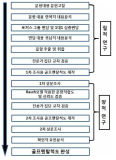
The purpose of present study is to develop the'Golf Mental Scale'that measures and assesses golf players' cognitive, emotional, behavioral response per golf mental factor experienced while competing in depth. In order to achieve this research purpose, Researcher collected raw data of golf mental question through literature review and interview with 8 members of Korean male national golf team and gathered questions per factor through Deductive-Inductive Content Analysis for the raw data. Then, Researcher conducted first and second questionnaire survey targeting 253 of elite & pro golf players and conducted Rasch Model and Confirmatory Factor Analysis for the data collected using SPSS 21.0, Winsteps Ver. 3.65 Program, AMOS 18. The conclusion reasoned out through these research process was as follows: First, golf players' psychological factor structure identified was revealed as Concentration, Self-confidence, Anxiety and Arousal control, Emotion control, Thought control. Total 37 questions were determined. Second, 5 point scale was revealed to be a good fit for Golf Mental Scale. Third, the result of Construct Validity Verification of CFA showed that Golf Mental Scale model was a good fit. Fourth, Reliability of Golf Mental Scale showed high level by recording Cronbach' α value .936. Fifth, Internal Consistency of Convergent Validity and Discriminant Validity was revealed to be satisfied. Eventually, Golf Mental Scale is expected to be used practically as a functional test tool that provides participant's response toward each situation-specific questions concretely and an objective evaluation of participant's golf mental ability per factor considering questions'level of difficulty and participants'characteristic.