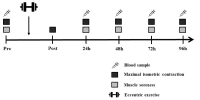
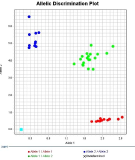
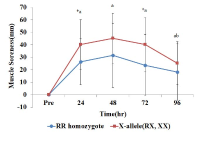
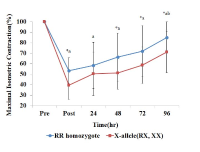
[Purpose] The purpose of this study was to examine the change of muscle damage markers after maximal eccentric exercise and to verify the difference of recovery according to ACTN3 gene polymorphism. [Methods] Fifty healthy males participated in this study. Subjects performed 25 times/1 set (total 2 set) maximal eccentric contractions of the elbow flexor muscles on a modified preacher curl machine with a between-sets rest time of 5 min. Maximal isometric contraction (MIC) was measured 6 times (pre, post, after 24 h, 48 h, 72 h and 96 h). Muscle soreness (SOR) was measured 5 times (pre, after 24 h, 48 h, 72 h and 96 h). Blood samples were collected 5 times (pre, after 24 h, 48 h, 72 h and 96 h). ACTN3 gene polymorphisms were identified using polymerase chain reaction (PCR). Data were analyzed using a 2-way repeated measure ANOVA and post hoc Bonferroni test. [Results] Analysis of ACTN3 gene polymorphism revealed the following distribution: 22% RR (n=11), 50% RX (n=25), and 28% XX (n=14). Individuals were classified into the RR homozygote group (n=11) and the X-allele group (n=39). MIC showed a significant difference between groups and interaction (p<.05). The groups differed significantly in MIC at 48 h, 72 h, and 96 h after exercise and the X-allele group decreased more than the RR homozygote group. The groups differed significantly in muscle soreness and interaction (p<.05). SOR in the X-allele group was significantly higher than in the RR homozygote group at 24 h after exercise. Although blood CK activity was lower in the RR homozygote group than in the X-allele group, but there was no significant difference between the groups (p>.05). [Conclusion] The RR homozygote group showed lower muscle strength reduction rate, muscle soreness and blood CK activity than the X-allele group. This indicates that RR individuals have a lower risk of exercise-induced muscle damage than those with an X-allele.
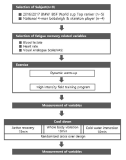
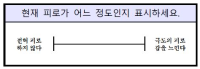
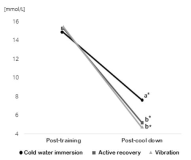
[Purpose] The purpose of this study was to examine the effect of recovery methods comparing with change ratio in Lactic acid(LA), Heart rate(HR), VAS(Visual analogue scale) on recovery patterns after field training(FT) in Korea National bobsleigh and skeleton players. [Methods] The tests were conducted for 3 times at a one-week interval as an experimental design within the same subjects(n=9), observed change ratio in LA, HR, VAS through applying Active recovery(AR), Whole body vibration(WBV) & Cold water immersion(CWI) after FT. [Results] The results were summarized as follows: The alteration of ratio in LA, HR, VAS decreased significantly after applying the three recovery patterns(p<.01). The difference between the groups showed that the reduction in lactic acid according to active recovery and whole-body vibration was higher than cold water immersion(p<.01). [Conclusion] In conclusion, although active recovery was more effective than static recovery, there was a significant effect of the three recovery methods in this study on reducing a fatigue in bobsleigh & skeleton players. Therefore, it would be considered to improve the performance of athletes when these methods apply for them depending on situations and environments.
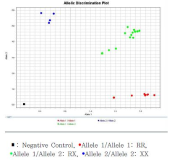
The ACTN3 R577X polymorphism has been associated with an elite athletes status. Several studies have determined that the R allele is connected with power-oriented athletic performance, whereas the nonfunctional XX genotype may give some beneficial effect for endurance performance. The main aim of the study was to determine the possible interaction between the ACTN3 R577X polymorphism and an power-oriented athlete status in Korean elite athletes(wrestling 31, judo 13, boxing 16, fencing 6, cycle 16, ≤400m athlete 18). Each athletes performed a 30-second WAPtest with a resistance equal to 7.5% for male and 5% for female body weight. Genotyping for the ACTN3 R577X (rs1815739) polymorphism was performed using the TaqMan approach. The ACTN3 R577X genotypes exhibited a HardyWeinberg equilibrium distribution in our population. The relative and absolute average power results of the 30-second Wingate test did not differ significantly among the genotypes. However, the relative peak power result of the Wingate test was significantly higher in the R-allele- dominant model groups than in the XX group in male but not female athletes. These results suggest that the ACTN3 R allele is associated with the relative peak power during the Wingate test in male Korean elite athletes.
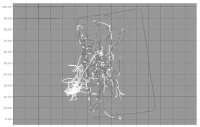
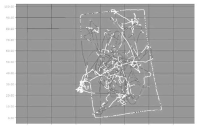
The purpose of this study was performance improvement through analysis of movement in elite field hockey players regarding positions using real-time GPS monitoring for compared training game and 2014 Incheon Asian Games. Fifteen elite women field hockey players (Defender: 4, Mid-fielder: 6, and Forward: 5) participated in this study. There were 2014 Incheon Asian Games Korean national team. Real-time GPS system analysis was completed during 10 training game appearances 5 2014 Incheon Asian Games appearances. The results of this study showed that in training game mid-fielder>forward>defender for 3, 4, 5, and 6 zone at speed zone by moving distance, in 2014 Incheon Asian Games forward>mid-fielder>defender for 6 zone at speed zone by moving distance. And moving distance by quarter increased all position in 2014 Incheon Asian Game more than training game. Therefore, These data might be useful to analysis of movement in field hockey players. Moreover improved performance and individual exercise ability by feedback for players distance, heart rate, and exercise trajectory. Thus, Gold-medal won at the 2014 Incheon Asian Games in field hockey.
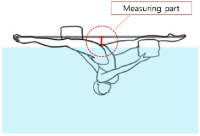
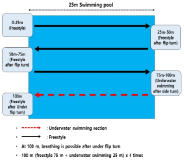
Purpose The purpose of this study is to compare the physical fitness levels among artistic swimmers in artistic swimmer national team trials. It is aimed to strengthen the physical fitness evaluation criteria of the national team and construct a physical fitness evaluation item suitable for an artistic swimming event. Methods A total of twenty two female elite artistic swimmers participated in this national team selection trial. Measurement list was performed body composition (Height, Weight, Body fat(%), Skeletal muscle mass, Lean body mass, BMI, Shoulder width, Arm span), Basic physical fitness (Push-up, Sit-up, Chin-up, Endurance of trunk backward extension and Sargent jump), Flexibility (Trunk backward extension, Shoulder flexibility, Frog position and Underwater split R, L) and Swimming test (100 m freestyle, 400 m freestyle). Data were analyzed by Independent t-test using SPSS Statistics ver 25.0. Results Age and skeletal muscle mass were significant difference between the two groups (p<.05). Also, 400 m swimming test was significantly different (p<.001). However, there were no significant differences in basic physical fitness and flexibility. Conclusions These results suggest that selected athletes are excellent not only in acting but also in physical fitness. Based on these results, it is necessary to construct a physical fitness items for the preliminary artistic swimming and to classify the physical fitness evaluation criteria according to the characteristics of the artistic swimmers.
PURPOSE This study aimed to identify ACTN3 gene polymorphisms amongprofessional ssireum players by weight class and between elite and non-elite players,and to select genotype that matches the characteristics of the sport. METHODS The subjects of this study were 148 male athletes currently working as professionalssireum players. Chi-square test cross-tabulation analysis was conducted to examinethe differences in ACTN3 genotypes between weight classes and between elite andnon-elite players. RESULTS There were no significant differences in allele or genotypebetween ssireum players, but there were significant differences in R-allele and XXgenotype. CONCLUSIONS Players with the R-allele type of the ACTN3 gene weremore often classified as elite. Using this marker as a basis for organizing a playerselection and training programs would be more effective in training those that matchthe characteristics of elite players of the game.
PURPOSE The purpose of this study was to systematically review Korean research on genetics and athletic performance, to examine patterns of research accumulation and structural characteristics within the field of sports genetics in Korea, and to propose directions for future research. METHODS This study adopted a systematic review design. Relevant literature was retrieved from the Research Information Sharing Service (RISS) using the search terms “genetic performance” and “athlete genetics and exercise.” Following PRISMA guidelines, duplicate records, nonacademic publications, and studies with limited relevance to the research focus were excluded, yielding a final sample of 35 studies. The selected studies were analyzed across multiple dimensions, including research themes, athlete characteristics, and sport types, genetic variants examined, performance indicators, analytical methods, and interpretive approaches to gene–performance relationships. RESULTS The findings indicated that sports genetics research in Korea has predominantly focused on candidate gene approaches, with particular emphasis on the ACE and ACTN3 genes. Performance-related fitness variables, including aerobic power, aerobic capacity, and muscular strength, were the most frequently examined outcome measures. Study participants were primarily national-level and elite athletes, with research samples heavily concentrated in combat sports and ice sports. Methodologically, most studies relied on single-gene analyses, and interpretations of gene– performance relationships were largely based on between-group mean comparisons. CONCLUSIONS In conclusion, Korean sports genetics research should transition toward the systematic adoption of polygenic and multi-marker approaches to improve explanatory power related to athletic performance and injury susceptibility. Moreover, the development of sport-specific and training–context–sensitive analytics is warranted, alongside validation of field applicability using performance-based data and cross-platform genetic analyses. Finally, establishing long-term research infrastructures grounded in longitudinal designs and standardized data accumulation will be essential for constructing a Korean-specific sports genetics research system that supports talent identification, individualized training, and injury prevention.
