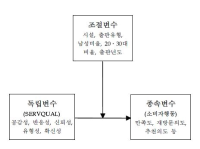
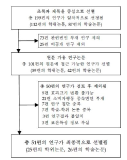
The current study aimed to investigate the impact of SERVQUAL on sport consumer behaviors using meta-analytic techniques. Findings from 25 dissertations and 26 journal articles were used to test of a model of the SERVQUAL on various sport consumer behaviors via the comprehensive meta analysis (CMA) program. Results showed that SERVQUAL has a large effect on sport consumer behaviors, with a fixed effect size of .383. In terms of the relative importance of the SERVQUAL sub-factors, sport consumer behaviors were influenced most by empathy, followed by reliability and tangibles. In predicting sport consumer behaviors, SERVQUAL had a most positive effect on, in order of, loyalty, customer orientation, and commitment. Results also found significant moderating evidence for sport facility types, publication types, publication year, the ratio of male and respondents' age.


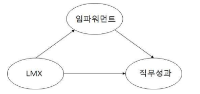
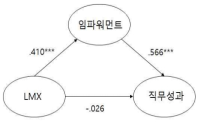
The current study aimed to investigate the relationships between leader-member exchange (LMX) quality, empowerment, and job performance of fitness center instructors. Data were mainly analyzed using a structural equation modeling technique with the AMOS program. The results, based on a paper-and-pencil survey with 263 respondents from 15 fitness centers, reported that LMX quality positively influences the level of empowerment perceived by subordinates while employee empowerment has a positive effect on job performance. However, LMX quality does not statistically influence self-rated job performance. Employee empowerment mediates the relationship between LMX quality and job performance.
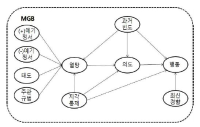
The current study aimed to examine behavioral intentions of online sports products consumers using the Extended Goal-directed Behavior Model. The questionnaires were distributed to consumers who had experience of purchasing sports products online. Data collected from 282 respondents were analyzed mainly using structural equation modeling. The results were as follows: First, attitude and subjective norm had a positive effect on desire. Second, perceived behavior control did not affect desire but had a positive effect on behavior intention. Third, positive anticipated emotions had a positive effect on desire and negative anticipated emotions had a negative effect on desire. Fourth, prior knowledge did not affect desire and behavior intention. Fifth, frequency of past purchase behavior did not affect desire, but had a positive effect on behavior intention. Lastly, desire had a positive effect on behavior intention.


The purpose of this study was to analyze the effects of employee’s job burnout on turnover intention and to draw average effect size(weighted averaged fisher’s z) in sports industry. After a lot of dissertations and journal articles were extracted by searching web sites, 11 papers were finally selected through thorough verification procedure. Specific analyses were conducted via MIX 2.0(Meta-analysis with Interactive eXplanations). The results were as follows. First of all, the weighted average correlation coefficient of between depersonalization and turnover intention was .326. Secondly, the weighted average correlation coefficient of between reduced personal accomplishment and turnover intention was .192. Lastly, the weighted average correlation coefficient of between emotional exhaustion and turnover intention was .326.


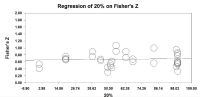
Purpose The purpose of this study was to conduct the impact of technology acceptance model(TAM) in sports field using a meta-analysis. Methods First of all, findings from 22 articles were used to analyze the relationship between perceived usefulness, perceived ease of use and intention to use via the comprehensive meta analysis(CMA) program. Results Its study results are as follows: First, results showed that TAM have a big effect on intention to use, with an effect size of .537. Second, the most influential effect size of TAM sub-factors was perceived usefulness. Third, in application and SNS had a most effect on TAM. Lastly, results found significant moderating evidence for ratio of female. But ratio of 20’s was not founded significant moderating evidence. Conclusion Based on the results of this study, it will be possible to pursue the behavior of the audience in the field where TAM is applicable in sports field.



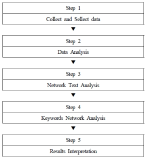
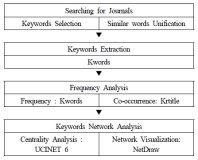
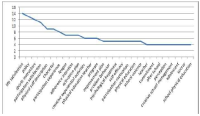
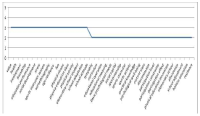
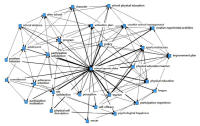
The purpose of this study was to investigate the research trends on school sports clubs using the Content Analysis and Network Text Analysis. Data included 137 journal articles published from 2007 to 2016 and were analysed using SPSS 20.0, KrKwic software and the NetDraw of UCINET 6 program.The results were as follows. First, the number of research articles on school sports clubs were increased since 2012. Second, research studies using mixed subjects were most popular in comparison to more narrow target population. Third, the mixed methods approach was less utilised in comparison to quantitative and qualitative research methods. Fourth, correlational studies were more frequently used while multivariate analyses were less common in terms of statistical methods. Fifth, satisfaction, policy, and leader were the most frequently used keywords among the keywords provided by journal articles. Lastly, the results of Network Text Analysis indicated that school sports clubs and user satisfaction showed the highest degree centrality, closeness centrality, and betweenness centrality.
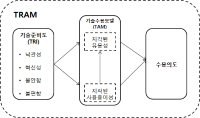
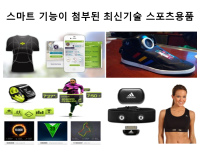
The current study was aimed to examine acceptance intention of sports Wearable products using the Technology Readiness and Acceptance Model. Data were drawn from 271 consumers in their 20s and 30s. Data were analyzed through frequency analysis, exploratory factor analysis, confirmatory factor analysis, reliability analysis, correlation analysis, simple regression analysis and multiple regression analysis using SPSS 20.0 and AMOS 20.0 program. The results were as follows: First, optimism had a positive effect on perceived usefulness but innovativeness, discomfort and insecurity did not affect perceived usefulness. Second, optimism and innovativeness had a positive effect on perceived ease of use and discomfort had a negative effect on perceived ease of use but insecurity did not affect perceived ease of use. Third, perceived ease of use had a positive effect on perceived usefulness. Fourth, perceived usefulness and perceived ease of use had a positive effect on acceptance intention.