PURPOSE This study aimed to identify the nature of human rights violations experienced by semi-professional athletes in semi-professional sports teams and explored the relevant cases. METHODS For this purpose, 35 semi-professional athletes (20 men and 15 women) from the semi-professional sports teams participated in the study, and data collection was conducted through in-depth interviews and focus group interviews (FGI). The collected data were analyzed using the phenomenological research method proposed by Colaizzi (1978). RESULTS The study summarized the results into five categories, 14 theme clusters and 41 themes. Its inherent structures include ‘first step to becoming a semi-professional athlete: disadvantageous contracts for players,’ ‘unavoidable absolute power: obedience to the coach,’ ‘forced training camp: autonomy and privacy infringement,’ ‘structural problems of the semi-professional sports federation: tyrannized power’ and ‘female players who are in male-oriented society: gender-focused than performance.’ CONCLUSIONS The results of this study provided an understanding of athletes’ human rights violations experienced in semi-professional sports teams. Understanding athletes in semi-professional sports teams through phenomenological research was conducted based on previous studies discussing practical and policy intervention measures.
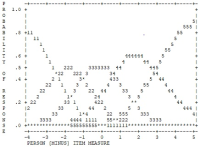
Purpose The purpose of this study was to determine item goodness-of-fit and the optimal categorization of an instrument measuring Korean elite young soccer player’s self-esteem using a two-facets Rasch model (item parameters and person parameters). Methods 10-item Rosenberg Self-Esteem Scale (RSES) with five response categories was administered to 366 elite young soccer players from the Korea football association. The Rasch analysis was conducted by WINSTEPS 3.65. Results First, the model fit the data well. Second, 5-category rating scale did function well. Third, a item-person map illustrated the distribution of RSES items and person’s level of self-esteem. Fourth, the separation reliability of the items and person was shown to be an acceptable degree of confidence, respectively. Lastly, there was statistically significant difference in self-esteem between starting players and bench players, which supported the known-difference evidence of validity. Conclusion These findings provided additional support for the suitability of the RSES in assessing self-esteem of Korean elite young soccer players.
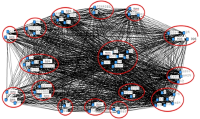
Purpose This study reviewed the seriousness of the Match-fixing through the mixed research methods of the big data analysis (quantitative) and the focus group interview (qualitative) using the keyword, ‘Match-fixing’ and discusses the cautious and comprehensive basic direction for coping with negative issues and preventing recurrence. Methods For the quantitative research method, Naver and Daum were used as the analysis channel and the main keywords selected for the data search were ‘Match-fixing’ and ‘Match-fixing+(measures/eradication/solution)’. The data collection period was limited from January 1, 2010 to December 31, 2016. In addition, for the qualitative research method, 6 homogeneous groups (experience, interest, knowledge) related to the research topic were constructed and interviewed using purposive(intentional) sampling. Results First, five factors (emotion, participant, cause, punishment, countermeasure) were categorized by big data analysis. Second, through Focus Croup interview, additional keywords for three factors (emotion, participant, countermeasure) were derived. Conclusions Therefore, it is required that various preventive measures such as emotional reward for negative emotion, preventive and ethical education, advancement of sports, establishment of Match fixing committee, Expert training are needed.

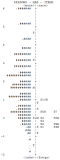
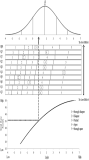
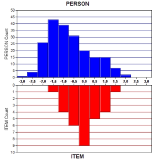
Purpose Common content knowledge(CCK) is composed of rules, techniques, and tactics. Such knowledge is a requirement for effective teaching of physical education (PE). There are, however, few validated tests of CCK. Thus, the purpose of this study was to develop a CCK test of soccer and evaluate the validity and reliability of the test using Rasch modeling (Rasch, 1980). Methods We developed thirty item common content knowledge test for soccer. Then, we used Rasch modeling to evaluate the validity and reliability of a test of soccer. Pre-service teachers (N=92) majoring in physical education and non-PE major (N=111) participated in this study. Results Thirty questions demonstrated good item-model fit. Moderately high internal consistency for person-ability and high internal consistency for item-difficulty are reported. Both Infit and Outfit statistics showed a good fit between the data and the Rasch model. Conclusions The analysis provides evidence to support the validity and reliability of this instrument as a CCK test of soccer. Limitations of the study were discussed and suggestions were provided to improve the test.
PURPOSE This study examined the effects of focus of attention on beginning golfers’ competitive anxiety and motor performance. METHODS Forty-eight college students with no prior golf putting experience were selected as participants and randomly assigned to internal-focus, external-focus, holistic-focus, and control groups (12 participants each). All subjects performed 5-m golf putting in acquisition, noncompetitive, and competitive situations. RESULTS In competitive situations, the internal-focus, holistic-focus, and control groups showed golf putting accuracy and consistency similar to those in noncompetitive situations, whereas the external-focus group’s golf putting accuracy and consistency were significantly lower in competitive situations than in noncompetitive situations. In addition, the holistic-focus group showed significantly higher golf putting accuracy than the control group in both competitive and noncompetitive situations. CONCLUSIONS Holistic-focus can be used effectively as a strategy for beginners to learn motor skills and reproduce learned motor skills when state anxiety increases. However, external attention focus cannot be considered a strategy to induce effective beginners’ exercise performance when competitive state anxiety increases.
PURPOSE This study sought to investigate the effects of passive warm-up on flexibility, exercise performance, and lactate oxidation rate in track and field athletes. METHODS A total of eight male athletes with more than three years of athlete experience were recruited as participants, and passive warm-up (PW) and active warm-up (AW) treatments were conducted in a single-group crossover study design. The participants performed thermal stimulation at 40°C for 20 minutes as a PW and performed a 60-70% HRmax cycle as an AW. Flexibility and exercise performance were measured after each treatment. Anaerobic power was measured using the Wingate test, and lactic acid concentration was measured. RESULTS Body temperature significantly increased in both PW and AW, and no significant difference was observed in exercise performance between treatments. Flexibility and lactic acid oxidation rate were significantly higher in PW than in AW. CONCLUSIONS In track and field sprinters, PW did not exhibit any significant difference in anaerobic power and exercise performance compared to AW even though no physical exercise was performed, and PW was effective in body temperature, lactic acid oxidation rate, and flexibility. PW suggests the possibility of replacing AW.
PURPOSE This study examined whether K-league fans’ responses to game outcomes align with reference-dependent preference and loss aversion principles. METHODS We collected user comments from the 2023 K-league game highlights videos on YouTube. We identified each user’s supporting team and excluded neutral fans’ comments. Sentiment analysis using KoBERT was applied, and estimated sentiment scores served as dependent variables. We performed panel regression to test whether unexpected wins and losses generate positive and negative comments. RESULTS First, an unexpected win generates more positive comments, and an unexpected loss generates more negative comments; a reference-dependent preference exists. Second, the difference between the coefficient on upset win and the absolute value of the coefficient on upset loss is not statistically different; loss aversion does not exist. CONCLUSIONS The findings derive a deeper understanding of sports viewership and explain the difference between domestic and overseas sports fans. Also, the findings provide insights into the domestic professional sports business.
PURPOSE This study examines the physical fitness profiles of emerging Para-athletes in South Korea and explores implications for future sports science support and talent development pathways. METHODS A total of 53 athletes (standing, n = 26; wheelchair, n = 27) were assessed between 2024 and January–June 2025. Participants were stratified according to disability type, sport classification, and age-group (adolescent vs. adult). Standardized test items applicable across sports were selected to assess general physical fitness in novice and developing athletes. Descriptive statistics were computed using International Business Machines Statistical Package for the Social Sciences Statistics (Version 23.0), and between-group differences were examined using cross-tabulation. RESULTS Among standing athletes, no significant differences were observed in anthropometric characteristics or physical fitness variables between adolescents and adults (p > 0.05). In contrast, among wheelchair athletes, significant age-group differences were observed for muscular strength and endurance. CONCLUSIONS This study provides preliminary reference data on the physical fitness characteristics of emerging Para-athletes in South Korea. Future research should prioritize sport-specific standardization of test protocols and adopt more refined grouping approaches based on disability type and classification level to enhance practical applicability.
It has been known that β-alanine supplementation induce the increment of carnosine in vivo and was effective in delaying fatigue by buffering the hydrogen which was formed during exercise. This study was designed to investigate the effects of 4 weeks of β-alanine supplementation on physical fitness and blood lactate concentration in middle school soccer players. Nineteen middle school soccer players were randomly assigned to either one of two groups, i.e., β-alanine group (n=10) and placebo group (n=9). Subjects in β-alanine group consumed β-alanine 2 g/day during 1st and 2nd week, as well as 3 g/day during 3rd and 4th week, whereas subjects in placebo group consumed maltodextrin in the same manner. All subjects ate same menu and trained same amount at the same training camp during the intervention period. Body composition, aerobic capacity, anaerobic capacity, isokinetic function, and blood lactate concentration during maximal GXT were measured at pre- and post-test. Main results of the present test were as follows: 1) Fat mass and percent body fat decreased significantly in β-alanine group. 2) No significant changes were found in variables related to aerobic capacity in both groups. 3) Average power increased significantly in β-alanine group. 4) Isokinetic muscular endurance increased significantly in β-alanine group. 5) Blood lactate concentration did not change in eithet group; however, blood lactate concentration immediately after maximal GXT in β-alanine group tended to be increased more than placebo group. It was concluded that β-alanine supplementation would have positive effects for improvement of body composition, anaerobic capacity, and muscular endurance in middle school soccer players.
Purpose This study was designed to examine the effects of 8 weeks of circuit exercise training on blood lipids, insulin resistance, cardiovascular function, and metabolic syndrome risk factors in 40~50s male bus drivers. Methods Twenty-nine bus drivers were randomly assigned to one of two groups, i.e., circuit exercise training group (TR: n=14) and control group (CON: n=15). Subjects in TR participated in circuit exercise training 30-40 min per session, three sessions per week for 8 weeks, whereas subjects in CON were asked to maintain their normal life pattern for same intervention period. The variables regarding body composition, blood lipids, insulin resistance, cardiovascular function, and number of metabolic syndrome risk factors were measured and compared between two groups as well as between pre- and post-test. Data were analyzed using repeated two-way ANOVA with post hoc test. Results Main results of the present study were as follows: 1) Waist circumference, waist-hip ratio, body mass index, and percent body fat decreased significantly in TR. 2) LDL-C decreased and HDL-C increased significantly in TR. 3) Fasting plasma insulin and HOMA-IR decreased significantly in TR. 4) Regarding cardiovascular function, diastolic blood pressure and mean arterial pressure decreased significantly in both TR and CON. hs-CRP were not changed significantly; however, it tended to be decreased TR. 5) Number of metabolic syndrome risk factors decreased significantly in TR(2.86±0.86 to 1.50±0.76). Conclusions It was concluded that 8 weeks of circuit exercise training would be beneficial for improvement of blood lipid profiles and insulin resistance, resulting in preventing metabolic syndrome. In particular, it would be very clinically meaningful that number of metabolic syndrome risk factors decreased from 2.86±0.86 to 1.50±0.76 by the circuit exercise training.
