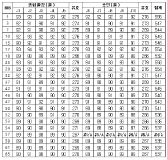
Purpose The purpose of this study is conducted to analyze the objectivity of the ski technical championships hosted by Korea Ski Instructor Association (KSIA) and to identify the error sources that affect the score of the competition. Methods To this end, we used the data from the 25th(2009) to 33rd(2017) ski technical championships held by the Korea Ski Instructor Association (KSIA). The data provided by Win Excel 2010 was used to sort out the missing data, such as abandonment, according to the data processing method. The collected data were analyzed by using SPSS 22.0 to calculate the mean and standard deviation of each season, event, and judges, and the Intraclass Correlation Coefficient (ICC). In addition, by using the single facet crossed design(p*j) of the generalizability theory’s G study, the variance component estimates for the participant(p) and the judges (j) are calculated, and the influence (%). Results As a result of the research, it was confirmed that the results of all the seasons and events from the 25th to the 33th events were very consistent, with the objective of .845~.986 higher than the recognition level of .80. In addition, the results show that the relative ratio of the judges to the error of the judging score is very low as a result of the error analysis through the dispersion component estimates. Conclusion In summary, the results of the KSIA evaluation are highly evaluated objectivity and have very low impact on the judges' errors.
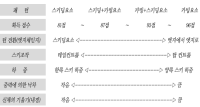
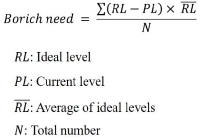
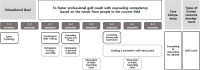
Purpose This study was designed to develop a curriculum for pre-service golf coaches at universities to enhance the coaches’ competencies to counsel athletes on the field. Methods This study was conducted in accordance with the revised and supplemented procedures for the national competency standard (NCS) based curriculum development outline under the level of application of individual instruction-level classes among the types of curriculum development. Results The results were as follows: First, the elements of the counseling competence were guided by conflict resolution counseling, psychological skills training, guidance counseling, coordination and Intervention, and relationship formation. Second, the curriculum was adopted as a curriculum for sports psychology, theory and practice of counseling, counseling practice and super-vision, and psychological skills training, and non-disciplinary activities were participation in group and personal counseling, and an open counseling case study. Third, the feasibility of the curriculum was calculated in the range of 0.8 to 1.0 for all areas to be reasonable. Conclusions The results of this study have structured the counseling competencies required for pre-service golf coaches. Based on this, the results of the study suggest counseling courses in the curriculum of university. This is expected to ultimately seek to improve the coaching field by enhancing the capacity of the coaches.

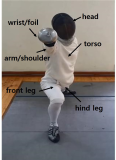
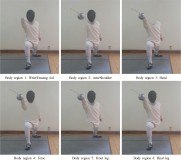
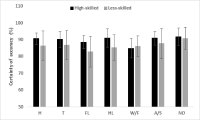
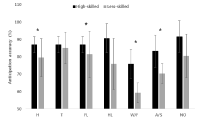
Purpose The purpose of this study was to establish the differences of anticipating accuracy and confidence according to fencing expertise and spatial occlusion region. Methods For the purpose of this study, the anticipation ability of 6 high-level fencing players and 6 low-level fencing players were analyzed. All subjects performed the 60 tasks of anticipating the attack positions(thorax, thigh, toe) from observing the fencing video screen using spatial occlusion technique. The spatial occlusion technique was used in 6 particular body of opponent’s movement. For statistic analysis, data was analyzed through independent T-test measure. Moreover, Paired t-test were used as follow-up analysis. Results The results of the study were as follows: In terms of accuracy anticipation, the main effect of expertise was significantly different. Specifically, when the spatial occlusion technique was applied in head, left leg, arm, and a foil, the accuracy of anticipation was significantly different. Moreover, comparing with no-occlusion condition, anticipation accuracy decreased when spatial occlusion technique was applied in arm and foil. In terms of confidence, there was no significant difference between level of expertise. Conclusions In order to effectively anticipate the opponent’s movement in fencing sports, it is necessary to focus on the visual cues of arm/shoulder, and the foil. Especially, focusing on the foil movement might provide the core informations on anticipation ability.

PURPOSE This study aims to analyze research trends on the social capital in sports. METHODS A total of 69 papers published until December 2020 were selected as research subjects. Further, Excel, KrKwic software, and NetDraw function of the UCINET 6 program were used for analysis. RESULTS First, social capital research on sports has shown quantitative growth since 2010. Second, the studies were conducted on sports participants such as general, elderly, college students, adolescents, foreigners, and the disabled, showing the highest frequency of research subjects. Third, quantitative research conducted based on the research method were several. Fourth, single-author studies were the highest. Fifth, as the result of the analysis on the publication journal, the Journal of the Korean Physical Education Association was shown the highest. Sixth, due to frequency analysis of the thesis keywords, “social capital,” “sports participation,” “action intention,” “social capital type,” “living sports participation,” and “youth” were shown the highest. Seventh, as a result of centrality analysis between keywords through the network analysis, “sports participation” in connection centrality, “health-promoting lifestyle” in proximity centrality, and “sports participation” in mediation centrality were found as the highest. CONCLUSIONS The significance of social capital in sports is more important than others because it is a fundamental element for creating a culture where more people can enjoy sports moderately in Korea, where capitalism and liberal democracy were adopted as the governing system. Therefore, this study can be a vital resource significantly contributing to the understanding and active use of social capital, a significant factor in developing sports in Korea.
PURPOSE The purpose of this study was to validate the Korean version of Coaching Life Skills in Sport Questionnaire (KCLSS-Q). METHODS Substantive, structural, and external stages were undertaken to address the purpose of this study. At the substantive stage, the scale was translated by discussing with an expert panel and testing item clarity. Ten coaches (9 males, Mage=33.80, SD=4.21) participated in the item clarity test. At the structural stage, descriptive statistics, exploratory factor analysis (EFA), and confirmatory factor analysis (CFA) were conducted. A total of 249 (214 male, Mage=34.18, SD=6.82) and 232 coaches (186 male, Mage=34.26, SD=7.69) participated in the EFA and CFA, respectively. At the external stage, correlation analysis using other scales (emotional intelligence in sport coaching, EISSC) was conducted to examine concurrent validation. A total of 130 copies of the CFA data were randomly extracted and used for this stage. RESULTS For the EFA, the scale extracted five factors with 27 items. In the CFA, however, five factors with 26 items were identified as an appropriate structure. Finally, the relationships of all sub-factors between KCLSS-Q and EISSC were statistically significant in the correlation analysis. CONCLUSIONS KCLSS-Q should reasonably consists of nine items on structuring and facilitating a positive sport climate, five on understanding life skills, four on practicing life skills, five on understanding life skills transfer, and three on practicing life skills transfer. KCLSS-Q can be used as a valid measure to evaluate the coaching life skills of Korean coaches.
Purpose The valuable impacts of exercise-intervention in diverse type of cancer patients were rationally well-prescribed, though many experimental and review researches already performed in this fields. Generally, cancer-related fatigue and pain remains one of the most prevalent problems for cancer populations. Therefore, exercise has become increasingly significant in cancer prevention and progression. The purpose of this recent study was to analyze the combined exercise program on cancer-related fatigue, pain, quality of life and cancer prognosis in diverse type of cancer patients. This study analyses the safety and feasibility of exercise intervention in diverse stages of cancer patients such as early stage, advanced stage and even metastatic periods in cancer populations. we also wanted to know the impacts of dose-response trial of aerobic and resistance exercise on quality of life in cancer survivors. Methods we conducted a comprehensive PubMed/MEDILINE electronic database from Jan 2015 to August 2020. The reference lists of eligible experimental research articles and relevant systemic review articles were checked. Inclusion criteria were adult cancer survivors from randomized controlled trials performing well-tailored exercise intervention programs to diverse type of cancer patients, Using predefined search items ‘exercise-intervention, cancer & immunology’. Based on reference search, more than 100 articles were identified whereas 30 research papers met the inclusion criteria and were well connected with exercise-intervention and cancer progression. we analyzed the connections between physical exercise and cancer intervention in the main text. Results Moderate to vigorous exercise (aerobic and resistance exercise) revealed to decreased level of cancer-related fatigue, pain, and cancer-related symptoms, however increased level of sleep quality, activities of daily living, exercise performance and health- related quality of life. Exercise intervention reduced pro-inflammatory markers and oxidative stress as well as insomnia, fatigue, pain symptoms whereas it enhanced the antioxidant systems and immune functions. In addition, home-based aerobic physical exercise might enhance muscular strength and quality of life in many types of cancer survivors. Psychological intervention also effective for reducing cancer-related fatigue and pain during and after cancer treatment. they might be the much better intervention than available pharmaceutical options. we believe that it is the related mechanisms of immune cell mobilization and activation such as NK cells which is induced by the activation of sympathetic system during and after physical exercise. Conclusion According to the aforementioned results, it was concluded that implementation of exercise intervention appear to be the best non-pharmaceutical interventions for cancer populations, and also revealed to be safe and feasible in early and advanced stages, although not in the metastatic periods. Sometimes, psychological intervention such as mindfulness-based stress reduction (MBSR) might be useful in reducing anxiety, depression, fatigue, pain and enhancing quality of life, quality of sleep for cancer populations. we can conclude, exercise-intervention might not just be prevention effect but might be therapeutics, however more studies are urgently needed to confirm the exercise intervention on the NK-receptors activation and immune connection of cancer populations.
Purpose Sport has become a popular platform for corporate social responsibility (CSR) campaigns. Growing numbers of athletes, teams, and organizations are engaging in CSR campaigns to promote awareness and behaviors to support CSR campaigns addressing pressing social issues (e.g., disease prevention, health promotion, etc.). However, much of the previous work has focused on whether such initiatives benefit the organization, but not the community. The present paper provides theoretical explanations on the psychological mechanism that can demonstrate how consumers respond to CSR campaigns initiated by a sport organization. Method In particular, existing literatures in moral psychology and CSR have been reviewed to identify an explanatory mechanism that promote prosocial behavior among sport consumers. Results The present paper posits that moral emotion is a central processing mechanism explaining the link between CSR and socially responsible behaviors in consumers. The paper also provides a theoretical account to explain how moral emotions are evoked in the CSR context and how they can prompt prosocial behaviors. Conclusion This paper adds to the literature by answering the call for the need to understand underlying mechanisms linking CSR with positive social outcomes (cf. Aguinis & Glavas, 2012).
The objective of this study was to examine the relationships among preferred and perceived leadership behavior, their congruence, and satisfaction with leadership based on Chelladurai's(1978) Multidimensional Model of Leadership(MML). To achieve the study objective, 210 professional dancers from 6 professional dance teams located in Seoul and the suburbs participated in this study. For hypotheses testing, descriptive statistics, hierarchical multiple regression analyses, and a confirmatory factor analysis using SPSS and AMOS were used. Results showed that the congruence between preferred and perceived leadership behavior did not have statistically significant influence on dancers satisfaction. The results of the study were inconsistent with what MML suggested. However, the results were quite consistent with empirical evidences of previous studies that investigated the influence of the congruence between preferred and perceived leadership on satisfaction.
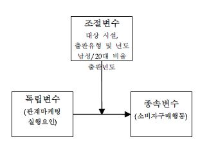
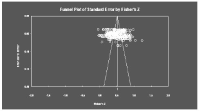
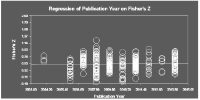
The current study aimed to investigate the impact of relationship marketing on sport consumer behaviors using meta-analytic techniques. Findings from 18 dissertations and 17 journal articles were used to test the relationship marketing and various sport consumer behaviors via the comprehensive meta analysis (CMA) program. Results showed that consumer orientation positively affected purchasing behavior of consumer. On the other hand, sport consumer behavior was not influenced by price. The relationship marketing factors had a most positive effect on, in order of, preference, reliability, and satisfaction. Results didn't find significant moderating evidence for sport facility types, publication types, publication year, the ratio of male and respondents'age.



PURPOSE This study aimed to: 1) compare the differences in static lower-extremity alignment (SLEA) between female ballet dancers (BD) and non-ballet dancers (NBD); 2) investigate the differences among gesture leg (GL) and supporting leg (SL) in BD and dominant leg (DL) in NBD; and 3) compare limb asymmetry between groups. METHODS Twenty-nine female BD and 20 NBD were recruited for this study. The quadriceps, tibiofemoral, rearfoot, and genu-recurvatum angles, tibial torsion and varum, and navicular drop height were measured. An independent t-test was conducted to compare SLEA and limb asymmetry between groups. One-way analysis of variance with Bonferroni post-hoc tests were performed to determine the differences among the GL, SL and DL. RESULTS BD showed lower quadriceps and rearfoot angles, less tibial varum and navicular drop, and greater tibiofemoral angle (p<.005) than NBD. BD showed less quadriceps angle asymmetry but greater tibial torsion asymmetry (p<.01) than NBD. GL and SL in BD showed differences in quadriceps, tibiofemoral, rearfoot angle, tibial torsion and navicular drop compared to NBD. CONCLUSIONS Repetitive dance movements can transfer varying forces to the GL and SL, potentially contributing to SLEA asymmetry. An intervention strategy that can reduce SLEA asymmetry in BD is needed, as is the identification of elements of ballet training that contribute to maintaining a normal SLEA.
