Purpose : The purpose of this study was to investigate coaching information with which coaches provided players during badminton competition. Methods : To this end, we generated an open-ended questions and presented it to 88 high school athletes registered in the Badminton Korea Association. The survey was conducted during a tournament and immediately after the tournament to collect the data. The collected data were categorized through inductive content analysis. Results : As a result of this study, a total of 480 raw data points collected through the open-ended survey were categorized into four general areas: psychological information, technical information, tactical information, and game operation information. Specifically, psychological information was divided into six subdivisions: concentration, confidence, relaxation/stabilization, mental toughness, play thought, and passion; technical information was broken into four subdivisions: strokes, footwork, swing and posture, and position preparation; tactical information had four subdivisions: coping to opponents, play changes, rotation, and manipulation of opponents; and, game operation information was divided into two subdivisions: taking the lead in a game and changing atmosphere. Conclusions : In other words, in badminton competition, the coaches strengthened psychological skills that promote psychological stability to attain the athletes’ peak performance and modified the athletes’ motion into the action necessary for achieving accurate techniques. Furthermore, they provided a variety of coaching information so that the athletes will respond appropriately to their opponents’ play, take the lead in games and induce a positive mood. The psychological, technical, tactical and game operation information offered by badminton coaches are the main factors influencing the performance of badminton players and suggest a need for the proper management and control of the coaches as well as athletes for the peak performance.
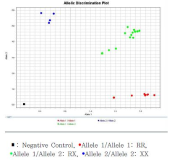
The ACTN3 R577X polymorphism has been associated with an elite athletes status. Several studies have determined that the R allele is connected with power-oriented athletic performance, whereas the nonfunctional XX genotype may give some beneficial effect for endurance performance. The main aim of the study was to determine the possible interaction between the ACTN3 R577X polymorphism and an power-oriented athlete status in Korean elite athletes(wrestling 31, judo 13, boxing 16, fencing 6, cycle 16, ≤400m athlete 18). Each athletes performed a 30-second WAPtest with a resistance equal to 7.5% for male and 5% for female body weight. Genotyping for the ACTN3 R577X (rs1815739) polymorphism was performed using the TaqMan approach. The ACTN3 R577X genotypes exhibited a HardyWeinberg equilibrium distribution in our population. The relative and absolute average power results of the 30-second Wingate test did not differ significantly among the genotypes. However, the relative peak power result of the Wingate test was significantly higher in the R-allele- dominant model groups than in the XX group in male but not female athletes. These results suggest that the ACTN3 R allele is associated with the relative peak power during the Wingate test in male Korean elite athletes.
PURPOSE This study comprehensively compared the perception and interaction of player–coach in the development of mental toughness in soccer. METHODS Data were collected through semi-structured individual interviews from 12 participants (6 athletes and 6 coaches), analyzed using the grounded theory by Strauss and Corbin, and they were compared to the group of athletes and coaches, respectively. RESULTS The following results were obtained: (1) Both athletes and coaches recognized that the experience of coping with the pressure present in competition was a central phenomenon in the development of mental toughness. (2) Regarding the situation and condition that lead to coping with pressure, the athletes emphasized the individual's goal orientation in the context of competitive situations and environmental conditions, while the coaches emphasized the athletic attitude toward competition and development in childhood. (3) The athlete–coach interaction was identified as an intervening condition affecting the experience of coping with pressure. (4) As the action–reaction strategy for the development of mental toughness, the optimistic thinking was emphasized for athlete and achievement-oriented thinking for coach; thus, it differed in the characteristics of mental toughness. CONCLUSIONS This study presented the results of an integrated comparison of mental toughness, which can vary depending on the contextual specificity (soccer) and the subject of perception (athlete– coach), especially indicating the importance of the player–coach interaction, which can contribute to the strategy to be used in mental toughness development.
PURPOSE This study examined the effect of sports life skills and life skills transfer of student-athletes and coaches, applying Actor-Partner Interdependence Model (APIM). METHODS Korean student-athletes and coaches from middle and high school sports teams participated in this study. There were 300 student-athletes (Mage=15.44, SD=1.64; male=218, female=82), with an average of 5.46 (SD=2.40) years of athletic career. Meanwhile, 33 coaches were (Mage=39.70, SD=8.36; male=26, female=7), with an average of 13.52 years of coaching career (SD=10.01). Measures included the Life Skills Scale for Student-Athletes (LSSSA; Jang et al., 2020) and Korean Life Skills Transfer Survey (KLSTS; Lim et al., 2018). Descriptive analysis, correlation, and APIM were undertaken by using the SPSS and AMOS programs. RESULTS First, the correlation between athletes’ and coaches’ life skills was not significant. Second, athletes’ life skills significantly affected their life skills transfer, similar to coaches’ life skills significantly affecting their life skills transfer. Fourth, coaches’ life skills did not significantly influence athletes’ life skills transfer, and the converse was not true either. CONCLUSIONS This study verified the effect of life skills development for two groups of athletes and coaches, on transfer in sports, and attempted statistical verification of whether it affects sports life skills and transfer between athletes and coaches. Although no statistically significant results were found in the partner effect, it is meaningful in that, it provided important implications for conducting a follow-up study on the relationship between athletes and coaches. In other words, it is expected to be a cornerstone for research on building a new model, along with investigating the interactive relations between athletes and coaches on life skills in the sports field.

Purpose This study tells about my life about the past time when I studied for the teacher certification examination, using autoethnography. Methods It primarily used personal memories and diaries. The collected data was analyzed by applying longitudinal coding method through technical categories. Results The finding of this study is described in a chronological order as follows. The first part is about my unstable ego formed in my puberty period just like riding a roller coaster. It mainly features the process of choosing a career path when I was in school and the important starting point that made me today. The second part describes about my life after entering the department of physical education. I joined the military only to flee from a fruitless college life where I was wearing an unbefitting mask to hide myself from the world that is completely beyond my control. In the military, I was lucky to realize how to apply my major to set up my career path by coincidence. The third part is about the process of finding a genuine meaning of being a physical education teacher through a transitional period experienced after returning to school and form a stable self. Lastly, passing teacher certification examination with undaunted struggles boosted my self-esteem and self-efficacy and solidified my self-identity in the end. In addition, it is possible to get a glimpse of the attitudes that teachers need to have for a teaching career in the last part. Conclusions What I want to say throughout my descriptive story is that preparing for the teacher certification examination itself is a great challenge as well as a courageous decision for the candidates, but it is an attainable goal if they try with all their heart.

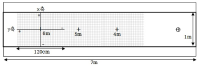
Purpose The purpose of this study is to investigate the effectiveness of the holistic focus of attention(H-FOA), presented as an alternative attention concept, to explore effective attention focus for the skilled performer. Methods KPGA's experts (N = 24) were selected and randomly assigned to external focus, overall focus and control groups. Experiments were conducted in the putting competition of the target distance (4m, 5m and 6m). Performance was measured for accuracy. Results Interestingly, the control group showed the high putting performance accuracy (MRE). In addition, the holistic focus of attention group was able to identify performance similar to the control group. The effect of external attention focus could not be confirmed. Conclusions Results of this study indicate that external focus may be unnecessary for skilled golfers. Rather, holistic focus of attention is highlighted for the improvement of players’ attentional focus under pressure.


PURPOSE This study aimed to identify the factors affecting job stress in fitness instructors, and to elucidate the mediating effects of mindset on the relationship between self-reflection and job stress. METHODS Using convenience sampling, a survey was conducted with 217 male and female fitness instructors nationwide. Statistical analyses were performed using SPSS 25.0 for descriptive statistics, frequency analysis, and reliability analysis, and AMOS 22.0 for confirmatory factor analysis to validate the measurement tools. SPSS PROCESS Macro v4.0 (Model 4) was utilized to verify the mediating effects of the research model. RESULTS Self-reflection among fitness instructors was found to significantly reduce job stress. A growth mindset was found to have a partial mediating effect on the relationship between self-reflection and job stress among fitness instructors, whereas a fixed mindset did not have a significant impact . CONCLUSIONS The results confirm that self-reflection and having a growth mindset significantly influence the reduction of job stress in fitness instructors.
PURPOSE This study aimed to investigate the occurrence of sports injuries among badminton national team candidates during training camps and to identify appropriate measures for players to effectively manage and respond to such injuries in the future. METHODS The participants consisted of 123 individuals who took part in national team candidate training camps for badminton in 2022 and 2023. Record sheets were utilized to document the athletes' thoughts and opinions related to exercise injuries during the training period. RESULTS Badminton national team candidates experienced exercise-related injuries in various areas, including the ankles, thighs, knees, hips, shoulders, and back. Female players had a higher incidence of lower body injuries compared to their male counterparts. Through interviews with players about these injuries, individualized approaches involving appropriate rest and training adjustments were found to be necessary; additionally, educating the players about rehabilitation strategies for exercise injuries is essential. CONCLUSIONS When conducting recreational training activities, it is important to avoid fostering excessive competitive attitudes. Additionally, if potential risks are present within the exercise environment, it is crucial to assess and address these with the utmost caution.
PURPOSE This study aimed to identify the underlying dimensions of brand (professional sport team) authenticity and to develop a valid, reliable scale to measure these dimensions. METHODS A pool of 67 potential items was drawn through a literature review, content analysis, qualitative research (n=43), and an expert evaluation. The identified items were subjected to exploratory factor analysis (n=248) and confirmatory factor analysis (n=285). In addition, multiple regressions were conducted to examine the criterion validity of the scale. RESULTS The results showed that the brand authenticity scale for professional sport teams consists of 42 items representing 8 dimensions: continuity, originality, quality commitment, heritage, symbolism, credibility, stakeholder-related integrity, and consumer-related integrity. The study has proven evidences of internal consistency and convergent, discriminant, and criterion validity of the scale. CONCLUSIONS The findings suggest that the scale developed in this study offers a vital foundation to understand the structure of brand authenticity in the context of sport fans and its impact on sport consumer behavior.
PURPOSE This study first investigated how different types of sport team logos (emblem vs. mascot) influence consumer behavior through warmth and competence and then examined the moderating effects of consumer characteristics (gender) and contextual cues (perceived competence) on these relationships. METHODS A nationwide sample of adults age 20 was selected using quota random sampling based on gender. A 2 (logo type: emblem vs. mascot) × 2 (gender) × 2 (contextual cue: high competence vs. low competence) experimental design was employed, with participants randomly assigned to each group. Confirmatory factor analysis (CFA) with Mplus 8 was employed to assess the measurement model’s reliability and validity, and hypothesis testing was conducted through structural equation modeling (SEM), measurement invariance tests, and multigroup SEM analysis. RESULTS Findings indicate that anthropomorphized mascot logos, compared to emblem logos, generate more positive attitudes and psychological responses (warmth and competence) to the team. Gender’s moderating effect on the relationship between logo type and consumer perceptions (warmth and competence) was not significant, but contextual cues’ moderating effect was partially significant. CONCLUSIONS This study highlights of perceived warmth and competence’s crucial role in shaping consumer attitudes toward sports teams through logo design. These findings offer meaningful insights for sports teams and marketers to optimize branding strategies and enhance fan engagement.
