PURPOSE This study aimed to develop and implement a customized mental plan program to facilitate an optimal psychological state and peak performance among para shooting athletes. It also sought to empirically verify this program’s psychological effects by focusing on improvements in concentration, confidence, and relaxation. METHODS A total of six para shooting athletes who had earned medals in the Paralympic Games underwent six program sessions that were designed and implemented based on attention-related psychological factors identified through open-ended surveys and in-depth interviews. RESULTS The athletes’ attention was facilitated by task-focused behavior, breathing control, performance routines, and physical condition management. Meanwhile, their concentration was hindered by task-irrelevant thoughts, negative physical states, and external distractions. These factors were further categorized according to competition phase: the day before, precompetition, and during competition. Based on the statistical analysis, significant improvements were observed in the athletes’ concentration, confidence, and relaxation. CONCLUSIONS The custom program was practically effective as an intervention for psychological skills tailored to experienced para shooting athletes’ individual needs. The findings offer valuable insights for developing strategies supporting the psychological states of athletes in disabled sports.
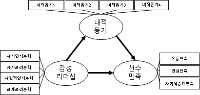
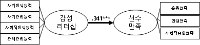
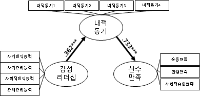
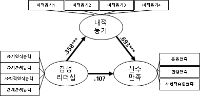
Purpose The purpose of this study was to examine the influence of coaches’ emotional leadership on athletic satisfaction and to investigate mediating effect of intrinsic motivation perceived by professional female basketball athletes in Korea and Japan. Methods 154 professional female basketball athletes in Korea and Japan participated in this study and responded to questionnaires which consisted of coaches’ emotional leadership, intrinsic motivation, and athletic satisfaction. The collected data were analyzed by frequency analysis, confirmatory factor analysis, reliability analysis, descriptive statistical analysis, correlation analysis, and structure equation analysis with using SPSS 23.0 and AMOS 23.0. Results The results of this study were as follows; Firstly, coaches’ emotional leadership had positive effect on athletic satisfaction. Secondly, coaches’ emotional leadership had positive influence on intrinsic motivation. Thirdly, intrinsic motivation had positively affect on athletic satisfaction. Lastly, intrinsic motivation completely mediated the relationship between coaches’ emotional leadership and athletic satisfaction. Conclusion In conclusion, these findings imply that coaches’ emotional leadership and intrinsic motivation are critical factors for improving athletic satisfaction.

Purpose This study was to explore construct of fear and courage behavior overcoming the fear and relationship between fear and courage in competition. Methods Total 65 national athletes of combat sports(Judo, Boxing, Taekwondo, Fencing) responded to open questionnaire about fear and courage behavior in competition. The data was analyzed by triangle verification and content analysis. Results Firstly, the fear of combat sports athletes consisted of five factors, which were negative consequences, lack of preparation for a game, concerns of performing one’s best, expectation of significant others, and internalized ego threat. Secondly, courage behaviors to overcome fear were self-effort, self-suggestion, self-conviction, selfish self-regulation, social self-control, self-analysis, and acceptance of experience. Finally, there were the relationship between fear and courage in competition. Conclusion These results will contribute to provide useful information for combat sport athletes and coaches in different level to cope with competition fear.

This study was to verify the structure of efficacy related to performance perceived by short-track athletes when playing a match. Therefore, 50 players answered open questionnaires and 200 players participated in construct validity verification, a total of 250 players of short-track members of national, business and university team were sampled during the research phase. The data was analyzed through the study procedures. The results were as follows: First, efficacy structure of players during the match were categorized into three groups as game managing strategy(including course management, race control, match management and selective attention ability), psychological control ability(including positive imagery, match competition, competitive spirit, ability to handle hardship, anxiety control, and patience), and physical usage of ability(including physique, endurance, and quickness). Second, the result of the first construct validity verification through exploratory factor analysis showed 7 factors in 29 items as game management, course management, psychological control, physical use, coping with hardship, speed control and psychological stability. Finally, as a result of confirmatory factor analysis, short-track self-efficacy showed the 5 factor in 15 items except for coping with hardship and psychological stability.
This study was to explore the factors influencing Olympic performance positively and negatively. In order to achieve this purpose, 60 athletes, who participated in 2012 London Olympic games, responded on open-ended questionnaire. In addition, 10 athletes, who won medals in London Olympic, responded on in-depth interview. Collected data were analyzed by deductive content analysis. The results of this study were as follows: firstly, the factors influencing Olympic performance positively were psychological preparation, strengthening training, physical conditioning, support from significant others, material support, cheering of Korean people, self respect as a Korean national athlete, different game environment, team cohesion, sharing Olympic experience, and support of sports science. Secondly, the factors influencing Olympic performance negatively were psychological pressure, excessive expectation, negative interpersonal relationship, condition decline, overtraining, unstable environment, insufficient facilitation, decrease in performance level, and especially ineffective village room placement and media management during Olympic period. Thirdly, the differences between Olympic games and other world competitions , perceived by athletes were competition scale, psychological attitude, training support, systematic preparation, and benefits from winning medals. The results of this study will give fundamental information in developing a scale which can measure Olympic preparation level and in developing Olympic preparation guideline. Therefore, it will help athletes ,who participate Olympic for the first time or athletes who did not perform well in pre-participated Olympic games, to understand and apply in training the factors influencing Olympic performance and help them to perform better in Olympic games.
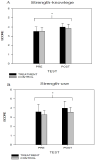
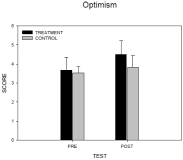
Purpose The goal of this study was to investigate the application effect of strength-based positive psychology intervention to elite archers. Methods Total of 20 elite archers participated in this study. Treatment group consisted of 10 elite archers participated in the strength-based positive psychology intervention for 8 weeks. Each individual responded the questionnaires in pre- and post-treatment sessions. Data were analyzed by repeated-measure ANOVA. Furthermore, archers participated in the program responded to in-depth interviews. Results According to the results, participants in strength-based positive psychology intervention showed that significantly increased strength knowledge, strength use, and optimism in the post–treatment compared to the pre-treatment session while control group did not show significant changes. In addition, archers perceived that there were positive effect on thinking ·coping and their self-confidence and self-esteem enhanced after participating the program. Conclusion The results of this study suggested that strength-based positive psychology intervention has positive impact on athlete’s wellbeing and perception of individuals strength and can be applicable to different sports field.
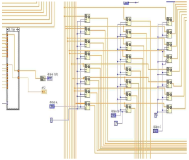
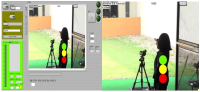
This study was to develop and to apply real-time neurofeedback system for psychological self-regulation of shooters. Neurofeedback system was developed with expert meetings consisting of 8 sport psychology, EEG, and sport engineering experts based on Labview program. Developed neurofeedback system was applied to 4 college shooters for 10 sessions(1 session/week, 30 mins/session). Collected EEG wave data were analyzed by paired sample t-test and independent sample t-test. The results were as follows: Firstly, based on user experience concept neurofeedback system was developed which easily perceived neurofeedback information as traffic lights with minimizing visual search activities. Secondly, after neurofeedback system application right brain activation level of shooters(except one shooter) were increased compared to left brain activation. Based on the results of this study, neurofeedback system can apply various sports and contribute to help athletes’ self-regulation and athletic performance enhancement in sport field.

This study was to explore and confirm factors of sport psychology counseling needs in Korean elite coaches. In order to achieve this purpose, 56 elite coaches in Korean Olympic training center at Taereung and Jincheon responded on open-questionnaire and 260 coaches responded on survey. Open-ended questionnaire responses were analyzed by inductive content analysis and collected survey data were analyzed by exploratory factor analysis and confirmatory analysis. The results were as follows: Firstly, sport psychology counseling needs of elite coaches were competition preparation, negative athlete-coach relationship, athlete private problems, performance degradation, pressure on performance result, injury management, team cohesion degradation, motivation, training management, different gender athlete control, athletes drop out, pressure from outside, conflicts with colleagues, neglecting from athletes, feeling of incompetence, emotional control problem, and so on. Secondly, based on these responses, closed-ended questionnaire was developed, surveyed, and analyzed. Exploratory factor analysis illustrated that sports counseling needs of coaches were performance enhancement strategies, unreasonable pressure, negligence on training, coaching stress, competition result stress, conflicts with athletes. Finally, confirmatory factor analysis showed that construct of sport counseling needs illustrated appropriate fit indices values. The results of this study contributed to provide fundamental information on coaching education program and sport psychology counseling program development and application. Consequently, it will help coaches to control their mind at coaching in training and competitions.
PURPOSE This study aims to develop a coach presenteeism scale with scientifically proven reliability and validity. METHODS In order to achieve the research purpose, preliminary questions were drafted using previous studies (Lee & Kim, 2022) and existing presentation questionnaires (SPS-34, SPS-6, SPS-13). The preliminary set of questions was composed of 23 questions, which were deliberated through a meeting with subject experts. After which, a survey involving 183 coaches was conducted. In this study, statistical verification procedures were conducted through construct validation, exploratory factor analysis, confirmatory factor analysis, internal consistency analysis, convergent validation and discriminant validation. RESULTS Finally, a 2-factor (DRA 5 items, DTP 5 items), 10-item coach presenteeism scale was developed. CONCLUSIONS In this study, a scale with verified reliability and validity was developed to support and investigate the presenteeism phenomenon experienced by coaches. These may be used by coaches themselves to check their presenteeism status and may guide future research to effectively train athletes.
PURPOSE This study aimed to apply a team-building program for preparing the national archery team for competition in the Olympics. METHODS To achieve the purpose of this study, six national archers (three men and three women) were included. The team-building program was applied for a total 6 sessions (one session per week). Group cohesion and efficacy were measured three times before, after, and at a later application of the program. The collected data were analyzed with the Friedman and Wilcoxon signed-rank tests, which are nonparametric statistical techniques for data analysis. In addition, an in-depth interview for qualitative data was conducted for each archer to explore the effects and changes resulting from participation in the program. RESULTS The results of the study are as follows: first, the levels of team cohesion and efficacy in the national archery team increased after the implementation of the program compared to those in the pre-implementation state. Furthermore, high levels of team cohesion and efficacy were maintained at the follow-up measurement. Second, the archers recognized that closeness and faith in one another increased more between team members. Furthermore, there were positive changes in team communication, atmosphere, cohesion, and efficacy during team matches. CONCLUSIONS The team-building program applied in this study was found to have a positive effect on various factors related to team cohesion, such as team communication and team atmosphere. Therefore, future studies should consider developing a team-building program that can contribute to improving team sport performance for different sports and the effects of the program should be examined using various methods.
